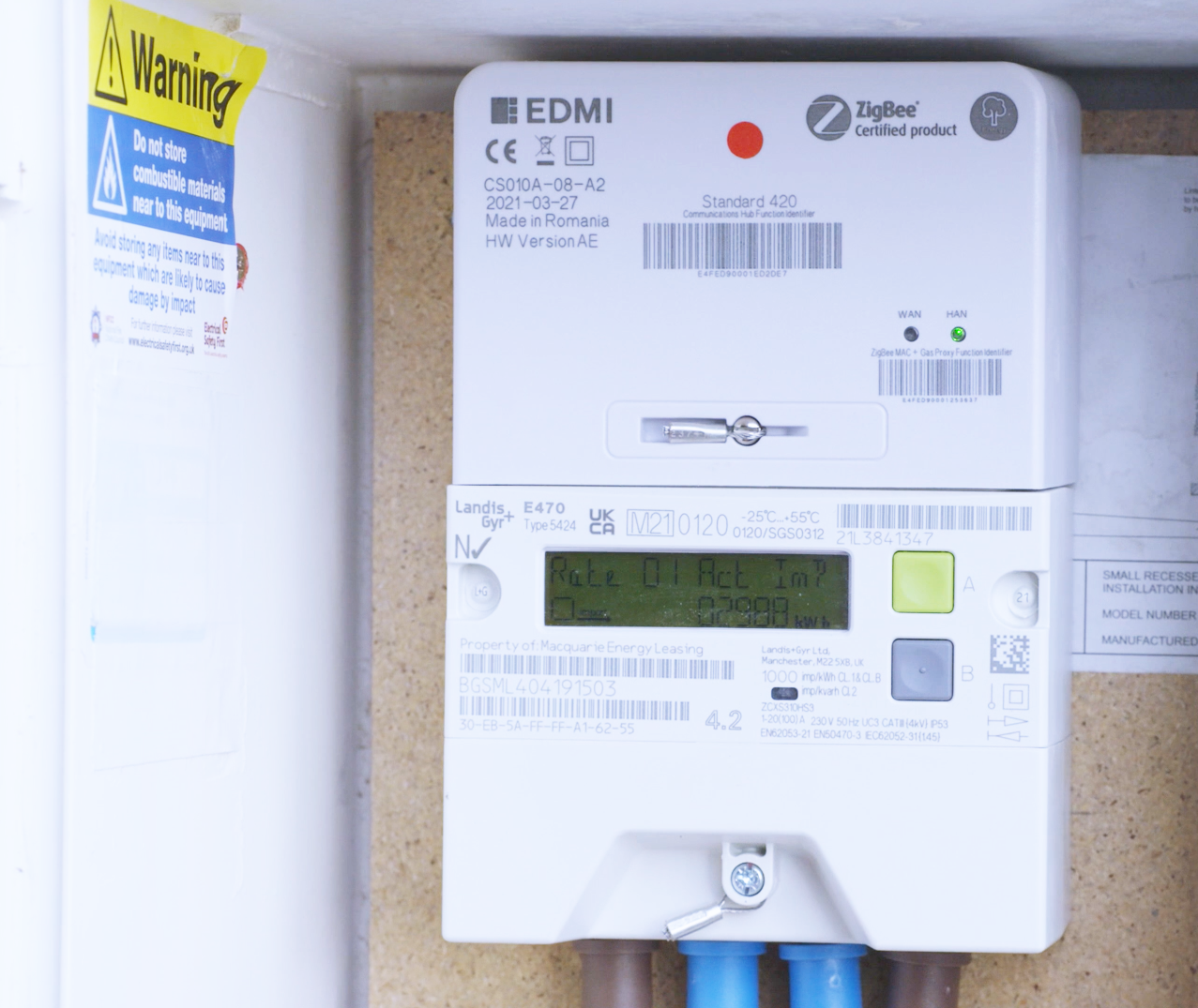
Smart Meter Mandates: Do You Have to Get a Smart Meter?
The question of whether you are legally obligated to install a smart meter in your home is a common one, fueled by increasing digitization of utility services and varying regulations across different regions. Understanding your rights and responsibilities regarding smart meter installation is crucial, especially as energy providers roll out these advanced metering technologies. This article aims to clarify the typical scenarios and legal frameworks surrounding mandatory smart meter adoption, providing you with the information needed to navigate this evolving landscape.
Understanding Smart Meter Technology and Its Benefits
Smart meters represent a significant upgrade from traditional analog meters, offering a host of benefits for both consumers and utility companies. These devices automatically transmit energy consumption data to the utility provider, eliminating the need for manual
The Push Towards Smart Meter Adoption
Governments and utility companies worldwide are actively promoting the adoption of smart meters as part of broader initiatives to modernize energy infrastructure and achieve sustainability goals. The data generated by smart meters is invaluable for grid modernization, enabling utilities to better predict demand, integrate renewable energy sources, and reduce overall energy waste. This technological shift is often presented as a necessary step towards a more efficient, reliable, and environmentally friendly energy future.
Are Smart Meters Mandatory?
The obligation to get a smart meter largely depends on your location and the specific policies implemented by your local or national government and energy providers. In many regions, particularly in North America and Europe, there have been widespread “opt-out” programs, meaning homeowners are generally required to have a smart meter installed unless they actively choose to opt out, often incurring an additional fee. Conversely, some areas may have outright mandates with fewer options for refusal, especially in new constructions or during mandated grid upgrades.
Mandatory Installation and Opt-Out Options
Many utility companies, under regulatory guidance, are phasing out traditional meters in favor of smart meters. In these cases, installation is often considered a condition of service. However, consumer advocacy groups and privacy concerns have led to the establishment of opt-out policies in numerous jurisdictions. These policies typically allow customers to retain their old meters, but usually at a cost to cover the administrative and technical challenges of maintaining separate systems. It is essential to check with your specific utility provider to understand their policies on mandatory installation and available opt-out procedures, including any associated fees or alternative metering solutions.
Fact: Smart meters can help identify energy theft and reduce non-technical losses for utility companies.
Data Privacy and Security Concerns
A significant area of public concern revolves around the privacy and security of the data collected by smart meters. Critics worry about the potential for this granular data to be misused, either by utility companies or through unauthorized access. While most regulatory bodies and utility providers have implemented security protocols to protect this information, ongoing vigilance and clear policies on data usage are paramount. Consumers have a right to understand how their data is collected, stored, and used, and what measures are in place to safeguard it.
How Smart Meters Work
Smart meters utilize a combination of communication technologies, such as radio frequency (RF), cellular, or power line carrier (PLC), to send meter readings to a central data collection system. Unlike traditional meters that require a physical visit, smart meters transmit data wirelessly, often multiple times a day. This near real-time data stream provides detailed information about electricity, gas, or water consumption patterns.
- Automated Data Transmission
- Real-time Usage Monitoring
- Remote Meter Disconnection/Reconnection
- Enhanced Outage Detection
Weighing the Pros and Cons
The decision to accept a smart meter, or to opt out if possible, involves weighing various factors. The potential for cost savings through better energy management and the contribution to a more efficient energy grid are significant advantages. On the other hand, concerns about privacy, potential health effects from RF emissions (though largely unsubstantiated by scientific consensus), and the aforementioned opt-out fees are valid considerations for many homeowners.
Understanding Your Energy Bill with a Smart Meter
With a smart meter, your energy bills can become more transparent. You may have access to online portals or mobile apps that display your energy consumption on an hourly, daily, or monthly basis. This detailed breakdown allows you to identify peak usage times and adjust your habits accordingly, potentially leading to lower overall costs. Some advanced rate structures, like time-of-use pricing, are also enabled by smart meters, further incentivizing off-peak energy consumption.
| Feature | Smart Meter | Traditional Meter |
|---|---|---|
| Data Transmission | Automatic (Wireless) | Manual (In-Person) |
| Billing Accuracy | High (Real-time data) | Moderate (Estimated or manual reads) |
| Usage Insights | Detailed, real-time | Limited, historical |
| Remote Services | Enabled | Not enabled |
Frequently Asked Questions (FAQ)
Q1: Can I refuse a smart meter installation?
In many areas, you can refuse a smart meter installation by opting out, though this often comes with an additional monthly fee. However, some jurisdictions or specific utility programs may have mandatory installation policies with limited or no opt-out provisions.
Q2: What are the potential health risks associated with smart meters?
The consensus among major health and scientific organizations is that the radio frequency (RF) energy emitted by smart meters is at levels well below established safety limits and does not pose a health risk. However, concerns persist for some individuals, and it is advisable to consult official reports from health authorities for the most current information.
Q3: How does a smart meter affect my energy bill?
Smart meters generally lead to more accurate billing as they eliminate estimated readings. They also enable access to detailed usage data and can support dynamic pricing plans (like time-of-use rates), which may help you save money if you can shift your energy consumption to off-peak hours.
Fact: Smart meters are a key component of smart grid technology, enabling better integration of renewable energy sources.
Conclusion
Ultimately, whether you *have* to get a smart meter hinges on your specific location and the regulations set forth by your utility provider and governing bodies. While many regions offer opt-out options, these often involve extra costs, making the transition to smart meters a standard expectation for most. These advanced meters offer significant benefits in terms of billing accuracy, energy management, and grid efficiency, contributing to a more sustainable energy future. It is crucial to research your local utility’s specific policies and weigh the advantages against any personal concerns regarding data privacy or technology. By staying informed, you can make the best decision for your household’s needs and your energy consumption.