

Understanding Your Smart Meter: How to Get a Reading and What It Means
Smart meters are a cornerstone of modern home energy management, offering unprecedented insight into your electricity and gas consumption. Unlike traditional meters, smart meters automatically transmit your usage data to your utility provider, eliminating the need for manual readings and estimated bills. This advanced technology empowers you to track your energy use in real-time, identify potential savings, and contribute to a more efficient energy grid. This article will guide you through the process of obtaining a reading from your smart meter and explain the various ways you can access this valuable information.
Accessing Your Smart Meter Reading
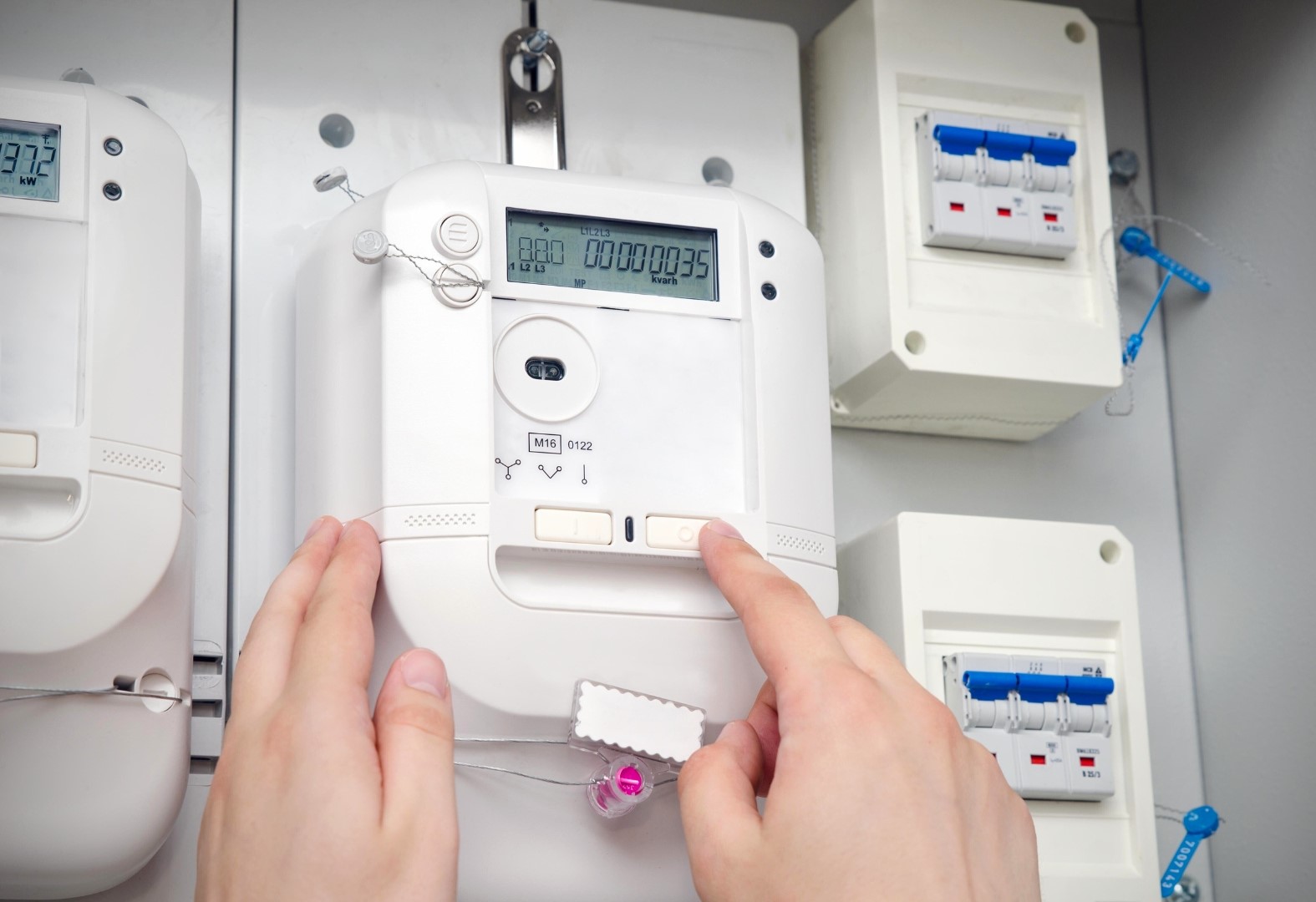
Getting a reading from your smart meter is typically a straightforward process, with several convenient methods available. The most direct approach is to view the display on the meter itself. Most smart meters have an LCD screen that cycles through various pieces of information, including your current consumption and total usage.
Reading the Meter Display
The exact sequence and display format can vary depending on the manufacturer and model of your smart meter. However, generally, you’ll need to locate the meter, which is usually found in a utility box outside your home or in a common area of an apartment building. Once you’ve found it, observe the screen. It might display your current kilowatt-hours (kWh) for electricity or cubic meters (m³) for gas. You may need to press a button or wait for the display to cycle through to the specific reading you’re looking for.
Always ensure you’re looking at the correct units (kWh for electricity, m³ for gas) to accurately understand your consumption.
Using Your In-Home Display (IHD)
Many smart meter installations come with an In-Home Display (IHD). This separate device connects wirelessly to your smart meter and provides a user-friendly interface to monitor your energy usage in near real-time. Your IHD will prominently display your current consumption, historical data, and often an estimated cost of your energy use. Simply turn on your IHD, and the information should be readily available.
Accessing Readings via Online Portals and Apps
Your utility provider likely offers an online customer portal or a mobile app. After creating an account and linking it to your smart meter, you can access detailed breakdowns of your energy consumption from anywhere. These platforms often provide daily, weekly, and monthly usage reports, helping you identify patterns and anomalies in your energy use.
Understanding Your Smart Meter Data
Once you have your reading, understanding what it signifies is crucial for effective energy management.
Electricity Meter Readings
For electricity, the standard unit of measurement is the kilowatt-hour (kWh). One kWh represents the energy consumed by a 1,000-watt appliance running for one hour. Your smart meter will display your cumulative kWh usage.
Gas Meter Readings
Gas meters typically measure consumption in cubic meters (m³). This unit represents a specific volume of gas. Your utility company will convert this volume into a unit of energy (like kWh or therms) for billing purposes, taking into account the gas’s energy content.
Interpreting Consumption Patterns
To effectively use your smart meter readings, consider the following:
* **Peak Hours:** Note when your usage is highest. Many tariffs have different rates for peak and off-peak times.
* **Appliance Usage:** Try to correlate high usage periods with specific appliance use to pinpoint energy-hungry devices.
* **Seasonal Variations:** Observe how your consumption changes with the seasons, particularly in relation to heating and cooling.
Smart Meter Features and Benefits
Smart meters offer a wealth of advantages beyond just providing readings.
Key Features
* **Automatic Data Transmission:** No more manual meter readings or estimated bills.
* **Real-time Monitoring:** Track your energy usage as it happens.
* **Remote Diagnostics:** Utilities can often diagnose issues remotely.
* **Proactive Alerts:** Some systems can alert you to potential problems or unusual consumption.
Advantages for Consumers
* **Accurate Billing:** Pay only for the energy you’ve actually used.
* **Improved Budgeting:** Better understanding of your consumption helps in managing household expenses.
* **Energy Efficiency:** Identify opportunities to reduce waste and save money.
* **Environmental Impact:** By reducing consumption, you contribute to a lower carbon footprint.
Smart Meter Reading Table
Here’s a simplified example of how your data might be presented:
| Meter Type | Unit | Current Reading | Date of Reading |
| :———– | :——- | :————– | :————– |
| Electricity | kWh | 12345.67 | 2026-02-03 |
| Gas | m³ | 9876.54 | 2026-02-03 |
Frequently Asked Questions
**Q1: How often is my smart meter reading sent to the utility company?**
A1: Smart meters typically send readings to your utility company at least once a day, and often more frequently, depending on the meter’s communication settings.
**Q2: Can I see my energy usage in dollars and cents on my smart meter or IHD?**
A2: Many smart meters and In-Home Displays are capable of showing estimated costs in your local currency. This feature often relies on the tariff information programmed into the device by your utility provider.
**Q3: What should I do if my smart meter display is blank or not working?**
A3: If your smart meter display is not functioning, contact your utility provider immediately. They can remotely diagnose the issue and arrange for a technician if necessary.
In conclusion, understanding how to obtain and interpret your smart meter readings is a powerful step towards efficient home energy management. By utilizing the meter’s display, your In-Home Display, or online portals, you gain valuable insights into your consumption habits. This knowledge empowers you to make informed decisions, reduce energy waste, and ultimately lower your utility bills. Embracing the data provided by your smart meter not only benefits your household budget but also contributes to a more sustainable energy future. Take advantage of this technology to gain control over your energy usage and discover new ways to save.