
Short breaks by plane or car
Weekend travel has quietly turned into a new routine for many urban travellers, who switch between quick flights and flexible road trips depending on mood and budget. A short escape feels more manageable than a long holiday, yet it still resets the rhythm of a busy week. The choice between a plane and a car is not only about time, but also about how much control you want over the journey itself. In this context, platforms like Z tour show how easy it is to combine different transport options inside one compact itinerary that still feels personal.
A two–hour flight can turn a random Friday into the first evening of a complete weekend break, without days of planning or complex logistics.
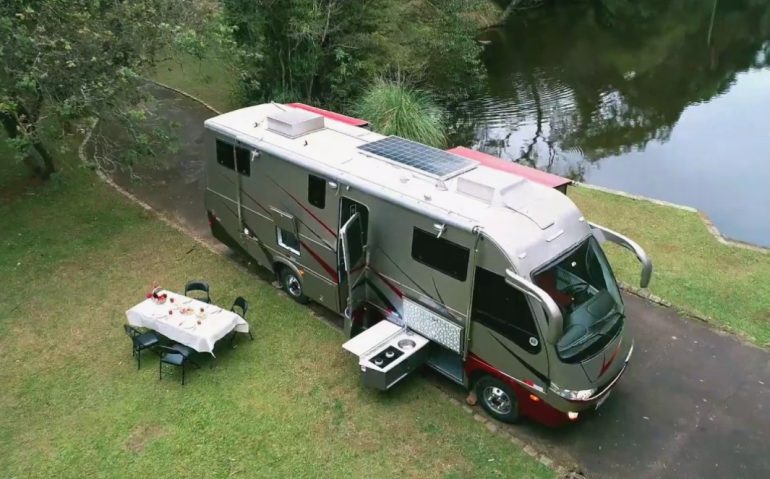
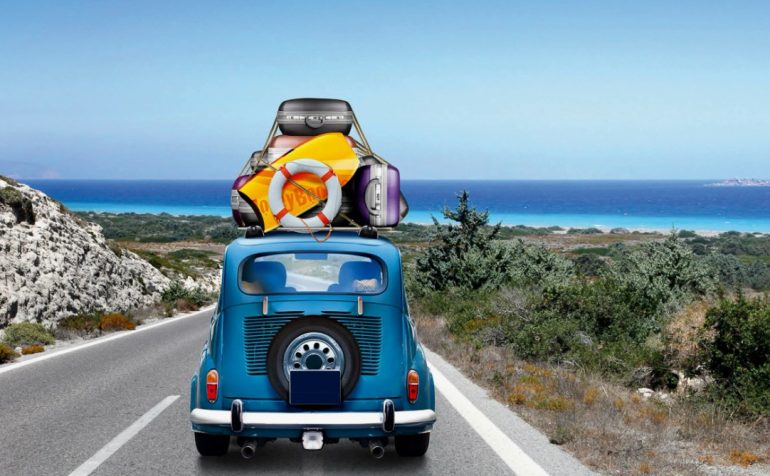
About three hundred kilometres later, the second option starts to look attractive: a road trip lets you stop when you wish, change the playlist, detour to a viewpoint and extend the route spontaneously. Travellers who enjoy driving often see the highway as part of the adventure, not just a way to reach a hotel. That is why many mixed packages offer the freedom to arrive by plane and continue by rented car, or use your own vehicle from the start with pre–booked stays along the way. The idea behind Discover Romania by Z Tour is exactly this blend of structure and freedom, with curated stops that remove the stress of improvisation at the last minute.
Why short trips feel different
A compact itinerary compresses impressions and keeps the energy level high from the first hour to the last. Instead of counting down remaining days, travellers focus on the sequence of experiences: a late dinner after arrival, a mid–morning walk, a slow afternoon in a café, an early start back home. The central role belongs to time management, which is stricter than on a long holiday but paradoxically more relaxing, because expectations are modest and clear. This balance is especially visible in destinations across Romania, where distances between cities, mountains and coastal areas allow both flight connections and car routes to stay reasonably short.
On a well–designed weekend break, the clock becomes an ally: tight timing helps you see more, while clear structure prevents the trip from feeling rushed.
Who benefits from weekend breaks
Not every traveller wants the same type of escape, and this format reflects that variety. Busy professionals look for a fast plane connection and a hotel within walking distance of key sights, so that every hour counts. Families may prefer driving, keeping control over luggage, snacks and unexpected stops, especially when children are involved. Friends planning a reunion sometimes choose neutral ground in a lively city somewhere in Romania, reachable by both car and direct flight, to avoid long transfers for any member of the group.
Key elements of a balanced itinerary
Thoughtful planning is what turns a random trip into a coherent weekend break. A clear structure helps travellers move smoothly from one activity to another without feeling trapped by a rigid schedule or lost in improvisation.
- Arrival window that leaves room for an unhurried first evening.
- Accommodation placed near public transport or central streets.
- One main activity per day instead of overloaded agendas.
- Flexible departure time, with a realistic buffer for delays.
Digital tools and experienced tour operators make this kind of micro–planning easier than it sounds, especially for cross–border travel. City guides point out restaurants and museums that stay open late, while local partners share insights on traffic shortcuts and scenic stops for drivers. This collaborative ecosystem helps maintain the charm of discovery, without turning travellers into full–time logistics managers during their short break. When a destination, such as Romania, offers both vibrant cities and routes into quieter landscapes, the interplay between flying and driving becomes even more powerful for creating varied, memorable weekends.