

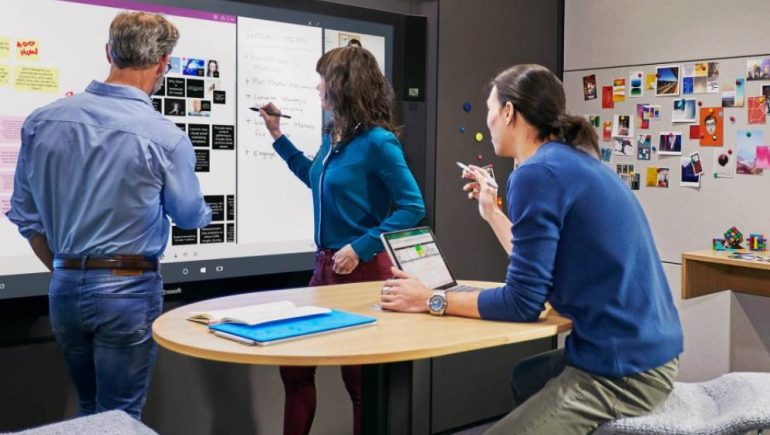
The structural layout of multi-user design ecosystems continues to evolve rapidly to meet the demands of decentralized production houses. For modern graphic groups, educational instructors, and remote corporate management divisions, syncing project sketches and vector ideas across different geographical boundaries used to cause notable delay loops. Utilizing lightweight browser engines resolves these technical bottlenecks by handling asset scaling, layout changes, and frame rendering within a shared cloud space. Implementing an adaptive utility like the miocreate interface provides creative departments with an accessible canvas configured to organize visual thoughts effortlessly.
The primary advantage of contemporary whiteboard architectures is their ability to preserve technical precision during intensive presentation blocks. When multiple team members input shapes, add diagram nodes, or route media blocks onto a shared workspace, the software updates the canvas view in fractions of a second. This responsive performance prevents data overlap and visual clutter, ensuring that clean operational boundaries remain clear for all participants. The resulting design output serves as an authentic conceptual blueprint that speeds up product iterations and simplifies internal project review phases seamlessly.
Furthermore, removing the necessity to download heavy desktop software packages or configure specialized local drivers reduces workspace onboarding friction significantly. Creative analysts can invite enterprise partners, clients, or test consumers directly into a secure live session using a standard browser tab. This direct accessibility transforms traditional feedback loops into real-time curation cycles where stakeholders can immediately point out layout updates, adjust textual guides, or validate style hierarchies without wasting critical production hours on back-and-forth email attachments.
Achieving stable long-term utility across complex corporate campaigns requires a disciplined approach to asset categorization and canvas organization. Grouping similar prototype variations within dedicated quadrant fields keeps the presentation history clear and readable. As remote visual collaboration becomes the standard operating procedure for competitive tech businesses, mastering lightweight cloud-rendered suites remains an essential asset. Blending organized user controls with flexible sharing features allows agile workspaces to maintain consistent content delivery schedules across all modern marketing operations today.