Used Hybrid and Electric Cars from China: Practical Checks for New Buyers
Buying a used hybrid or electric car is no longer a niche decision. For many families, small businesses, and travel-minded buyers, the choice is now about range, comfort, total cost, and whether the car can be supported after it arrives in the destination market. China has become one of the most active supply markets for late-model used vehicles, especially compact EVs, plug-in hybrids, sedans, and crossovers that still look modern but cost less than new stock.
The smart buyer does not start with the lowest price. A better first step is to define the job of the car. A city driver needs predictable range and easy charging. A family vehicle needs rear-seat space, safety equipment, and air conditioning that can cope with hot weather. A travel vehicle needs tire condition, suspension health, service records, and enough ground clearance for the roads it will actually use.
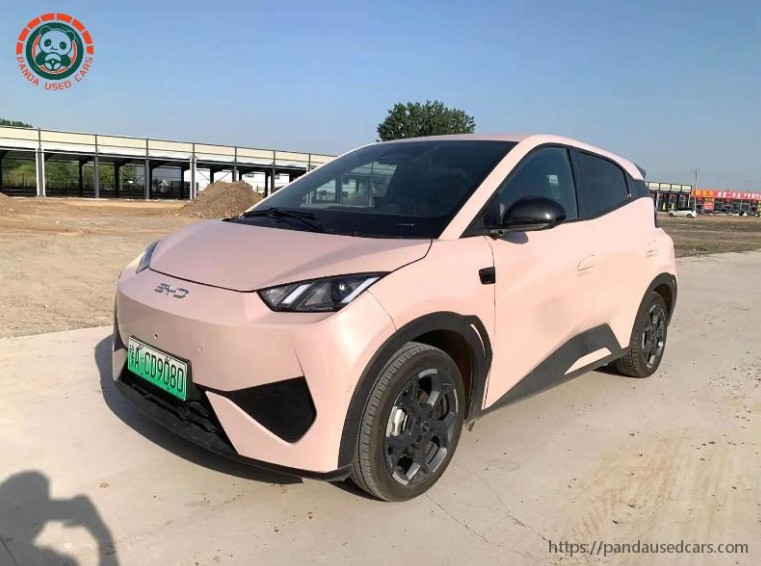
A compact electric model can be a practical first import when range and charging needs are realistic.
Start with use case, not showroom appeal
Photos can make almost any clean car look tempting. What matters is whether the vehicle matches the buyer’s roads, climate, charging access, and resale expectations. A short-range EV may be excellent for city commuting but frustrating for long intercity routes. A plug-in hybrid may suit mixed use better if charging infrastructure is still developing. Buyers comparing several options through Panda Used Cars should ask for range, battery-health information, service history, tire age, and detailed interior photos before talking about shipment.
For travel use, comfort details matter. Seat condition, cabin smell, infotainment language, charging cables, spare key availability, and tire brand are small things that become large annoyances after import. A careful supplier will not treat those questions as unusual.
Battery and charging questions
Battery condition is the center of any EV purchase. Ask whether the seller can provide battery-health data, charging records, dashboard range photos, and any warning messages. A car that shows attractive range in mild weather may behave differently in heat, cold, or heavy traffic. The buyer should also check whether the charging port and cable match local infrastructure.
Model-specific research helps. A buyer considering a compact crossover can compare notes against resources such as BYD Yuan Plus, while a customer who prefers a familiar petrol or hybrid SUV may still want to compare value with a used Toyota RAV4. The right decision is usually not the newest technology; it is the model that fits local use with the least uncertainty.
Inspection before export
Before payment, inspect the body, underbody, tires, brakes, lights, charging equipment, dashboard, air conditioning, and documents. Check for previous accident repair around the front and rear, because EV and hybrid components can make poor repairs more expensive. Tires should match, and tire age should be visible. Brake wear may be lower on EVs because of regenerative braking, but rust or uneven wear can appear on cars that sat unused.
Documentation should include ownership papers, export documents, invoice details, and a clear VIN match. If the car is being bought for resale, the buyer should also collect a photo set that explains the vehicle honestly: exterior angles, interior wear, odometer, dashboard, tires, engine bay or front compartment, charging port, and any scratches. Good documentation is part of the vehicle’s value.
A practical buying rule
A cheap used hybrid or EV can be a smart purchase, but only when the hidden costs are understood. Shipping, tax, registration, battery confidence, spare parts, and local charging support all matter. Buyers who work through a repeatable checklist usually avoid the biggest mistakes. The goal is not to find a perfect car. The goal is to find a car whose condition, documents, price, and final use all tell the same story.