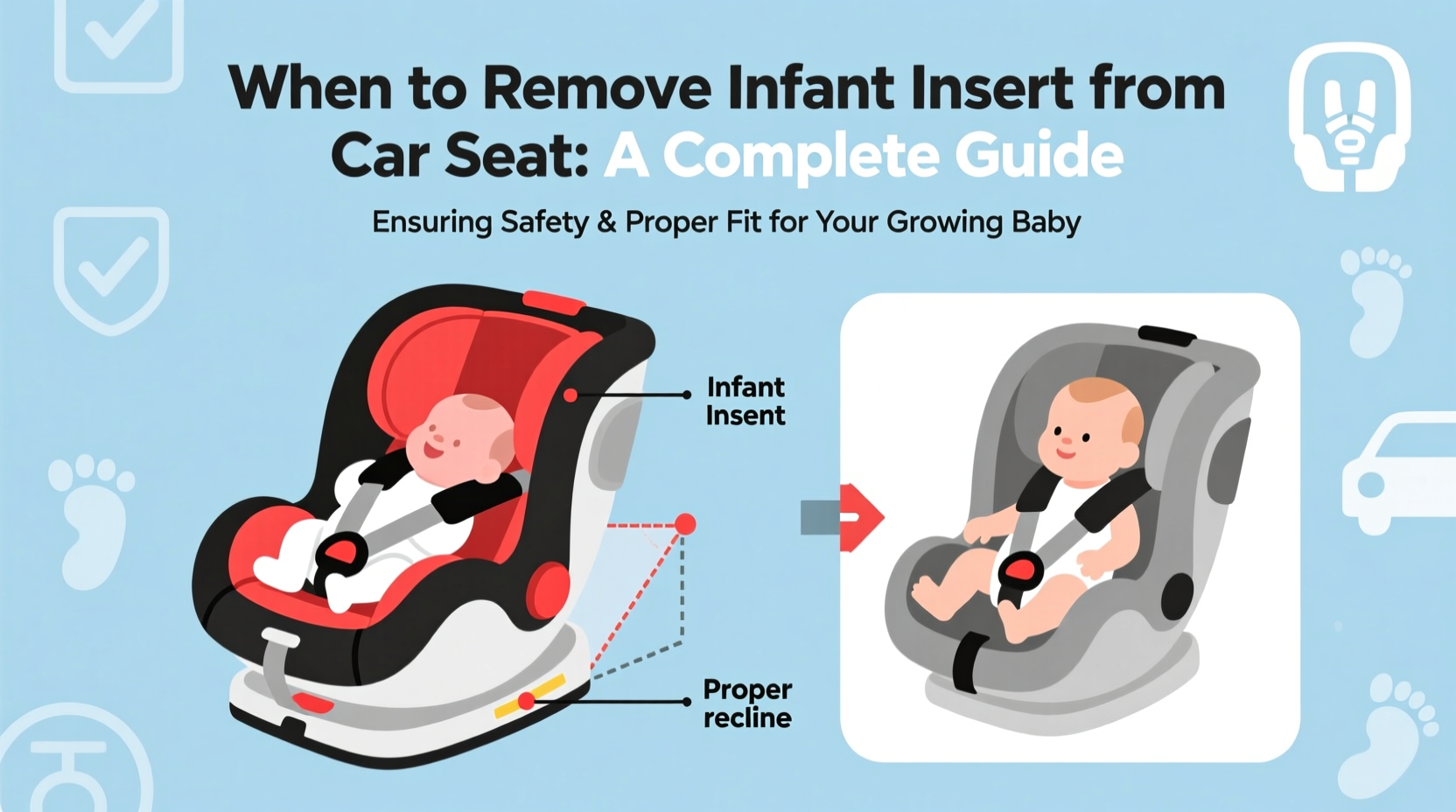
When to Take Your Infant Car Seat Insert Out: A Comprehensive Guide
Choosing the right car seat for your infant is a critical decision for their safety and comfort during travel. Many infant car seats come with specialized inserts designed to provide a snug fit for newborns, ensuring they are properly supported and positioned. However, a common question among new parents is: when exactly is the right time to remove these inserts? Understanding the guidelines for when to take your infant car seat insert out is essential for maintaining the effectiveness of the car seat as your baby grows.
Understanding Infant Car Seat Inserts
Infant car seat inserts are typically padded accessories that fill the extra space around a newborn, helping to secure them in the harness system. These inserts are particularly beneficial for very small or premature infants who might otherwise not fit snugly in the car seat, even with the harness tightened. The primary purpose of these inserts is to ensure the infant’s head is stable and that the harness lies flat across their chest.
The Importance of Proper Fit
A proper fit is paramount for car seat safety. When an infant is too small or loose in the seat, the harness cannot do its job effectively in a crash. The insert helps to bridge this gap, but it’s crucial to remember that inserts are a temporary aid. As the baby grows, the need for the insert diminishes, and its continued use can actually compromise safety if it hinders a secure harness fit.
When to Remove the Insert
The decision to remove the infant car seat insert is primarily based on your baby’s size and development, rather than a specific age. Here are the key indicators:
- Harness Fit: The most important factor is how the harness fits. When your baby can no longer achieve a snug harness fit with the insert in place, it’s time to remove it. This means you should not be able to pinch any slack in the harness webbing vertically at the shoulder.
- Head Support: If the insert seems to be pushing your baby’s head forward or preventing a proper recline within the seat, it’s likely time for it to come out. The baby’s head should not be falling forward, obstructing their airway.
- Baby’s Size: As your baby gains weight and length, they will naturally fill out the car seat. Once they can sit comfortably and securely in the seat without the insert, and the harness can be tightened properly, the insert is no longer needed.
Many car seat manufacturers provide specific guidelines in their manuals regarding inserts. Always consult your car seat’s manual for the most accurate information tailored to your model.
Factors to Consider Based on Car Seat Type
Different car seat models have varying designs and recommendations for insert use. Some inserts are integrated and designed to be used for longer, while others are removable pads. It’s vital to understand the specifics of your car seat:
Integrated vs. Removable Inserts
Some car seats feature integrated headrests or full-body inserts that are part of the seat’s design and may be intended for use as the child grows. Removable inserts, on the other hand, are typically separate pieces that can be taken out as needed. Always check your manual to determine if your insert is designed to be removed or if it’s a permanent part of the seat’s structure.
| Indicator | Action |
|---|---|
| Baby too snug in harness | Remove insert |
| Head falling forward | Remove insert |
| Harness straps at or below shoulders (rear-facing) | May be time to remove insert or adjust harness height |
| Baby meets minimum weight for next stage | Consult manual for insert removal |
Common Mistakes to Avoid
New parents might make a few common errors regarding car seat inserts. One is keeping the insert in for too long, even after the baby has outgrown its need. This can lead to a loose harness fit, which is a significant safety risk.
Never use aftermarket products or padding that did not come with your car seat unless they are specifically approved by the car seat manufacturer. These can interfere with the car seat’s safety features.
Another mistake is removing the insert too early, before the baby can achieve a secure harness fit without it. If your infant is still very small, they may need the insert for several weeks or even months.
Frequently Asked Questions (FAQ)
Q1: How do I know if the insert is pushing my baby’s head forward?
Observe your baby when they are in the car seat. If their chin is touching their chest or if their head appears to be leaning unnaturally forward, the insert might be the cause. Ensure the harness straps are positioned correctly – at or slightly below the shoulders for rear-facing infants.
Q2: My car seat manual doesn’t mention removing the insert. What should I do?
If your manual is unclear, contact the car seat manufacturer directly. They can provide specific guidance for your model. Alternatively, consult a certified Child Passenger Safety Technician (CPST) who can assess the fit and provide recommendations.
Q3: Can I use a different brand’s insert if I lost mine?
It is strongly advised not to use inserts or accessories from a different manufacturer. Only use the inserts that came with your car seat or those explicitly approved by the car seat manufacturer. Using unapproved accessories can compromise the car seat’s safety standards.
Conclusion
Determining when to take your infant car seat insert out is a process that hinges on your baby’s growth and the proper fit of the car seat harness. Always prioritize a snug harness fit above all else, ensuring no slack can be pinched at the shoulders. If the insert prevents this secure fit or causes your baby’s head to fall forward, it’s time to remove it. Remember to consult your car seat’s manual and, if in doubt, seek advice from a certified car seat safety expert. By following these guidelines, you can ensure your infant travels safely and comfortably as they grow.