
A body kit is the most visible modification you can make to a car. It changes the outline, the stance and the first impression in a way no other upgrade can. It is also the area where quality varies most, so understanding the basics before buying saves both money and disappointment.
Types of body kit
Lip kit. Add-on pieces that attach to the original bumpers and sills: front splitter, side skirt extensions, rear diffuser, boot spoiler. The factory panels stay in place, so the change is subtle and fully reversible.
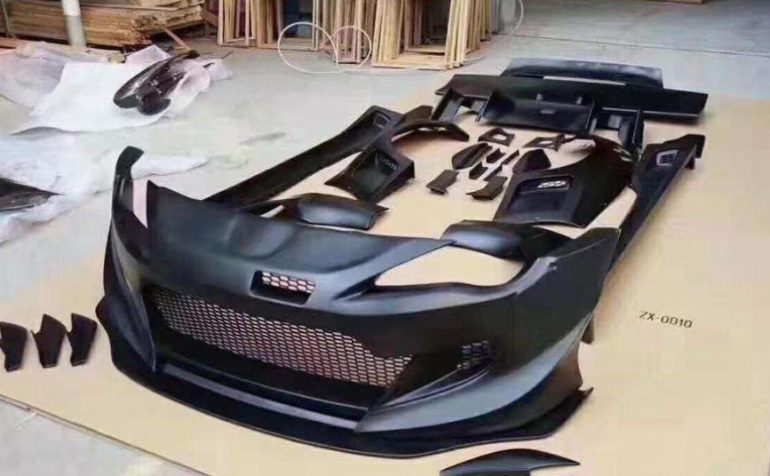
Full kit. Replacement bumpers, skirts and sometimes bonnet and wings. The car takes on a new design while keeping its original width.
Widebody kit. Extended arches or complete wider panels that add several centimetres to each side. This is the most dramatic option, and it requires wider wheels to match.
Materials compared
ABS plastic is light, affordable and consistent in shape. It suits smaller add-on parts.
Polyurethane is flexible and survives minor knocks and kerbs without cracking, which makes it a practical choice for daily driven cars.
Fibreglass is inexpensive and easy to repair, but it is brittle and often needs considerable preparation before paint.
Carbon fibre offers the best strength to weight ratio and a distinctive visible weave. It costs the most and is usually left unpainted under a clear lacquer.
The right material depends on use. A lowered road car benefits from flexible polyurethane at the front, while carbon is ideal for bonnets, spoilers and mirror caps.
What good fitment looks like
Fitment separates a professional build from an amateur one. Check the following:
- panel gaps are even along their full length;
- parts follow the body lines without visible steps;
- mounting uses factory points wherever possible;
- parking sensors, radar and cameras work as before;
- paint matches the car in daylight, not only under workshop lights.
Every kit should be test fitted before paint. Small adjustments at that stage are routine, and skipping it is how misaligned bumpers end up on finished cars.
Does aero actually work?
On road cars, most styling parts are mainly visual. Properly designed splitters, diffusers and wings can add stability at motorway speeds, but their effect at legal limits is modest. Buy a kit because you like the design and the quality, and treat any aerodynamic gain as a bonus.
Paint, wrap or bare carbon
Painted parts blend with the body for a factory look. A contrasting gloss black or satin finish makes the kit a feature. Carbon parts are normally protected with UV-resistant lacquer and, ideally, paint protection film.
Where to have it fitted
Supply and installation are best handled by the same workshop, so responsibility for the final result is not divided. Custom Class supplies and fits custom body kits for different makes, including test fitting and paint, in one process.
Summary
Pick the type of kit that suits how you use the car, match the material to the part, and insist on a test fit before paint. Done properly, a body kit looks as though the car left the factory that way.