

Full Car Service: Unpacking the Costs and What’s Included
Understanding the cost of a full car service is essential for any vehicle owner. A comprehensive service ensures your car runs smoothly and prevents minor issues from becoming major, expensive problems down the line. Many factors influence the final price, from the type of vehicle you own to the specific services included in the package.
What Does a Full Car Service Entail?
A full car service, often referred to as a major or comprehensive service, goes beyond a basic interim check. It’s a thorough inspection and maintenance procedure designed to keep your vehicle in optimal condition. Mechanics will typically check and service components that are crucial for safety, performance, and longevity. This includes everything from fluid changes and filter replacements to detailed checks of your braking system, suspension, and exhaust.
Key Components of a Full Car Service
During a full car service, a mechanic will meticulously examine and service various parts of your vehicle. This detailed approach ensures that potential issues are identified early. Here’s a breakdown of what’s typically included:
- Engine Oil and Filter Change: Essential for engine lubrication and cooling.
- Air Filter Replacement: Ensures the engine receives clean air for optimal combustion.
- Fuel Filter Replacement: Prevents contaminants from reaching the engine.
- Spark Plug Inspection/Replacement: Crucial for efficient engine performance.
- Coolant Check and Top-Up: Prevents overheating and corrosion.
- Brake System Inspection: Checking brake pads, discs, fluid, and lines for wear and leaks.
- Tyre Check: Including pressure, tread depth, and rotation if necessary.
- Exhaust System Check: Inspecting for leaks or damage.
- Suspension and Steering Inspection: Ensuring proper alignment and component wear.
- Battery Check: Testing the battery’s health and connections.
- Lights and Wipers Check: Ensuring all lights function and wipers are in good condition.
How Much is a Full Car Service?
The cost of a full car service can vary significantly. Several factors contribute to the overall price you can expect to pay. Understanding these variables can help you budget effectively and choose the best service option for your needs.
Factors Affecting Full Car Service Costs
Several elements influence the price of a full car service:
| Factor | Description | Potential Cost Impact |
|---|---|---|
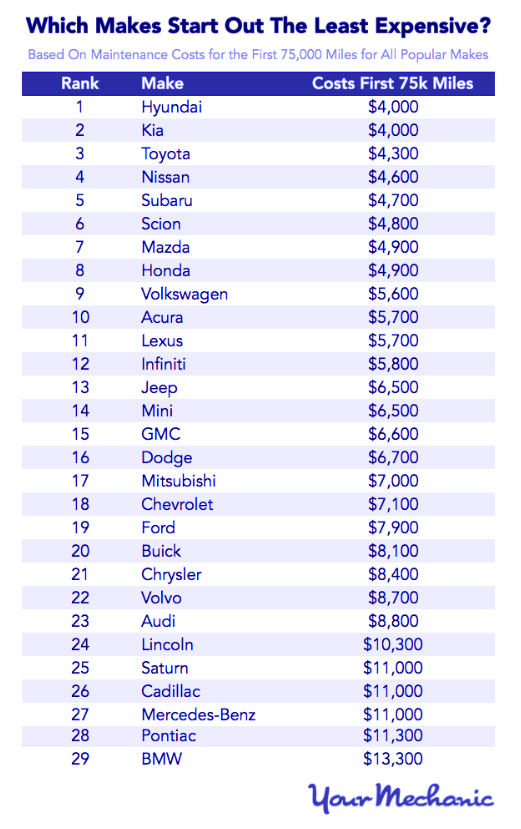
| Vehicle Make and Model | Luxury or high-performance cars often have more complex systems and require specialized parts, leading to higher costs. | Higher |
| Age and Mileage of Vehicle | Older cars or those with high mileage may require more extensive repairs or replacements, increasing the service cost. | Higher |
| Location of Garage | Garages in major cities or affluent areas may charge more due to higher overheads. | Higher |
| Parts and Fluids Used | The quality and brand of parts and fluids (e.g., synthetic vs. conventional oil) can affect the price. | Variable |
| Additional Repairs Needed | If the service uncovers additional issues, the cost will increase based on the necessary repair work. | Higher |
On average, a full car service in the UK can range from £200 to £500. However, this is a broad estimate, and specific costs can fall outside this range.
.
For a more precise estimate, it’s always best to get a quote tailored to your specific vehicle and the services required. Some garages offer different service packages, so compare what’s included to find the best value.
When Should You Get a Full Car Service?
Adhering to your vehicle’s recommended service schedule is paramount. Manufacturers specify service intervals based on mileage or time, whichever comes first, to ensure optimal performance and safety.
Service Intervals and Recommendations
Most manufacturers recommend a full car service every 12 months or 12,000 miles, whichever occurs first. However, these intervals can vary. Some vehicles, especially those used for high-mileage driving or specific conditions like towing, might require more frequent servicing. Always consult your car’s owner’s manual for the most accurate service schedule tailored to your model.
Ignoring service schedules can lead to premature wear and tear on vital components, potentially voiding your manufacturer’s warranty.
.
Beyond the manufacturer’s recommendations, pay attention to your car’s performance. If you notice any unusual noises, changes in handling, or dashboard warning lights, it’s advisable to schedule an inspection sooner rather than later. Proactive maintenance can often save you from more significant repair bills in the long run.
Frequently Asked Questions About Full Car Services
1. How often should I get a full car service?
Generally, a full car service is recommended every 12 months or 12,000 miles, but you should always check your vehicle’s owner’s manual for the specific intervals recommended by the manufacturer.
2. What is the difference between a full service and an interim service?
An interim service is a basic check that includes an oil and filter change and checks on essential items like fluid levels and tyre pressure. A full service is much more comprehensive, involving a deeper inspection of all major components, including brakes, suspension, exhaust, and more.
3. Can I do a full car service myself?
While some basic maintenance tasks can be done by DIY enthusiasts, a full car service involves detailed checks and specialized knowledge. For safety and to ensure all aspects are covered correctly, it’s best to have a qualified mechanic perform a full service.
Regular full car services are a vital investment in your vehicle’s health and longevity. By understanding what’s involved and the typical costs, you can make informed decisions about your car’s maintenance. Don’t overlook the importance of sticking to your manufacturer’s recommended schedule, as this proactive approach can prevent costly repairs and ensure your car remains safe and reliable on the road. When in doubt, always consult a trusted mechanic for advice tailored to your specific vehicle.