Understanding Your Smart Meter: How to Tell If You Have One
In today’s increasingly connected world, many households are transitioning to smart meters. These advanced devices offer a range of benefits, from more accurate billing to better energy management. However, not everyone is aware of whether they have a smart meter installed or how to identify one. This article will guide you through the process of determining if your home is equipped with a smart meter and what key features to look for.
What is a Smart Meter?
A smart meter, also known as an advanced metering infrastructure (AMI) meter, is a digital device that records energy consumption in detail and communicates that information to the utility provider. Unlike traditional analog meters, smart meters transmit data remotely, eliminating the need for manual readings. This technological leap allows for more precise billing, faster outage detection, and empowers consumers with insights into their energy usage patterns.
Identifying Your Smart Meter
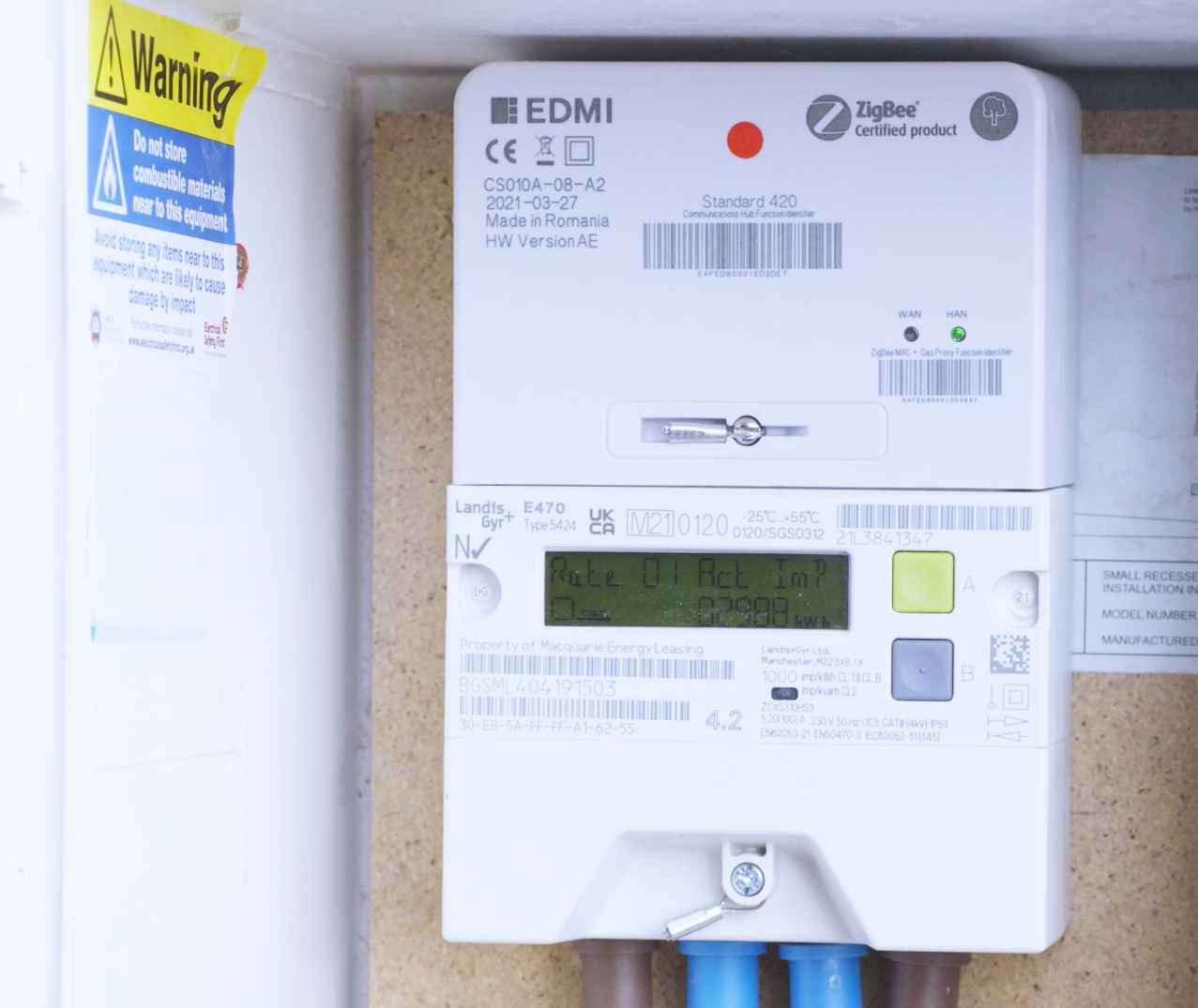
The most straightforward way to know if you have a smart meter is to visually inspect the device itself, typically located on the exterior of your home. Smart meters generally have a more modern, digital display compared to older analog meters, which feature spinning dials. You might also notice a communication device, often a small antenna or a box attached to the meter, which facilitates wireless data transmission. Many smart meters also have blinking lights or digital readouts that change, indicating active communication or energy flow.
Key Features of Smart Meters
Smart meters are distinguishable by several key characteristics that set them apart from their predecessors. These features contribute to their enhanced functionality and user benefits.
- Digital Display: Instead of mechanical dials, smart meters use a digital screen to show energy consumption.
- Communication Module: A visible antenna or communication unit is usually present, enabling remote data transfer.
- Two-Way Communication: Smart meters can send data to the utility and, in some cases, receive information or commands.
- Remote Meter Reading: Manual meter checks become obsolete as data is transmitted automatically.
Smart Meter vs. Traditional Meter
The differences between smart meters and traditional meters are significant and impact both utility providers and consumers.
| Feature | Smart Meter | Traditional Meter |
|---|---|---|
| Display | Digital | Analog dials |
| Reading Method | Remote, automatic transmission | Manual reading required |
| Data Frequency | Near real-time or hourly | Monthly or bi-monthly |
| Communication | Two-way (often) | One-way (meter to utility only) |
Understanding these distinctions can help you confidently identify the type of meter installed at your property.
Benefits of Having a Smart Meter
The adoption of smart meters brings numerous advantages, enhancing efficiency and providing greater control over energy consumption.
Smart meters enable consumers to monitor their energy usage in near real-time, allowing for more informed decisions about conserving energy and reducing costs.
These devices facilitate more accurate billing, as they eliminate the estimations often associated with manual readings. Furthermore, smart meters can help utility companies detect outages more quickly and efficiently restore power, minimizing disruption for customers.
Checking with Your Utility Provider
If you are still uncertain about whether you have a smart meter, the most reliable method is to contact your energy utility provider directly. They maintain records of the types of meters installed at each address and can confirm whether your home is equipped with an advanced meter. You can usually find their contact information, including phone numbers and online portals, on your energy bill or their official website.
Your utility provider is the definitive source of information regarding your meter type and can answer any specific questions you may have about its functionality.
Frequently Asked Questions About Smart Meters
Q1: How often does a smart meter send data to the utility company?
Data transmission frequency can vary by utility and meter type, but many smart meters send consumption data daily, hourly, or even more frequently. Some advanced meters can provide near real-time data updates.
Q2: Are smart meters safe?
Yes, smart meters have undergone extensive testing and regulatory review. They operate within established safety standards for radio frequency (RF) emissions, which are generally lower than those from common household devices like cell phones and Wi-Fi routers.
Q3: Can I opt-out of having a smart meter?
Opt-out policies vary by utility provider and region. Some companies may offer an opt-out option, often with an associated fee, while others may not. It is best to consult your specific utility provider for information on their opt-out procedures and policies.
Navigating the world of smart meters can seem complex, but identifying your meter and understanding its capabilities is a manageable process. By visually inspecting the meter, recognizing its key features, and consulting your utility provider, you can confidently determine if you have a smart meter. These advanced devices offer significant advantages in managing energy consumption, ensuring accurate billing, and contributing to a more efficient energy grid. Embracing this technology can lead to greater control over your energy usage and potential cost savings. Staying informed about your home’s energy infrastructure is a crucial step towards a more connected and sustainable future.