

How to Report an Abandoned Car: A Comprehensive Guide for Concerned Citizens
Discovering an abandoned car can be a frustrating experience, detracting from the appearance of your neighborhood and potentially posing safety or environmental hazards. This guide will walk you through the straightforward process of reporting an abandoned vehicle in your area, ensuring that authorities can address the situation effectively. By understanding the steps involved and who to contact, you can play an active role in maintaining the quality of your community. This article will cover everything from identifying an abandoned vehicle to understanding what happens after you file a report.
Understanding and Identifying Abandoned Vehicles
Before you report a vehicle, it’s important to understand what constitutes an “abandoned” car according to local regulations. Typically, a vehicle is considered abandoned if it has been left unattended for a significant period, appears inoperable, and shows signs of neglect. Look for flat tires, missing parts, significant rust, overgrown vegetation, or a build-up of debris around and on the vehicle. These indicators help distinguish an abandoned car from one that is merely parked temporarily or undergoing repairs. Each municipality may have slightly different criteria, so it’s always wise to check your local government’s website for specific definitions.
The Reporting Process: Step-by-Step
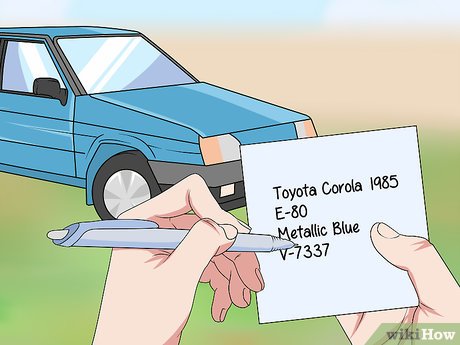
Reporting an abandoned car is usually a simple process. The first step is to gather essential information about the vehicle and its location. This includes the make, model, color, and license plate number (if available) of the car, as well as its precise location (street address, nearest cross-street, or landmark). Once you have this information, you will need to contact the appropriate local authority. This is often your local police department’s non-emergency line or a dedicated code enforcement or animal control department. Some cities also have online reporting forms available on their official websites, offering a convenient alternative.
What Information to Provide
When you contact the authorities, be prepared to provide as much detail as possible. The more information you can offer, the easier it will be for them to locate and process the vehicle. Key details to include are:
- Vehicle’s full description (make, model, year, color)
- License plate number and state
- Vehicle Identification Number (VIN) if visible
- Exact location of the vehicle
- Duration the vehicle has been in its current location (if known)
- Any visible damage or signs of inoperability
- Your contact information (optional, but can be helpful for follow-up)
Fact: In many jurisdictions, an abandoned vehicle is defined as one that is inoperable and has remained on public property for more than 72 hours, or on private property without the owner’s consent for a similar period.
Navigating Local Department Responsibilities
It’s crucial to know which department handles abandoned vehicle reports in your specific area. While the police department is often the first point of contact for public safety concerns, other departments might be responsible for vehicle removal. These can include:
| Department | Typical Responsibilities |
|---|---|
| Police Department (Non-Emergency) | Initial report, safety concerns, property damage checks |
| Code Enforcement | Enforcing local ordinances, property maintenance violations |
| Public Works/Street Department | Vehicle removal and towing coordination |
| Environmental Services | Addressing potential hazardous material leaks |
If you’re unsure, a quick call to your city hall or a search on your municipal government’s website should clarify which department to contact. This ensures your report reaches the right officials without delay.
The Aftermath: What Happens Next?
Once a report is filed, the authorities will typically investigate the vehicle. This usually involves a visual inspection to confirm it meets the criteria for being abandoned. If it does, they will attempt to identify the owner through the vehicle’s registration information. If the owner can be identified, they will usually be notified and given a deadline to remove the vehicle. Failure to comply can result in the vehicle being towed and the owner being fined.
Towing and Disposal Procedures
If the owner cannot be located, or if they fail to remove the vehicle within the specified timeframe, the vehicle will be towed. The towing company will then typically store the vehicle for a period, allowing the owner a final chance to reclaim it. If the vehicle remains unclaimed, it will usually be disposed of through an auction or crushing process, depending on its condition and local regulations. This ensures that abandoned vehicles are removed efficiently and responsibly from communities.
Did You Know? Many municipalities generate revenue from selling abandoned vehicles at auction to help cover the costs associated with their removal and disposal.
Can You Claim an Abandoned Car?
While the primary goal is removal, in some cases, citizens may be interested in claiming an abandoned vehicle. This process is complex and varies significantly by location. Typically, it involves extensive legal procedures, including proving ownership rights and settling any outstanding fees or liens associated with the vehicle. For most individuals, reporting the vehicle for removal is the most practical course of action.
Frequently Asked Questions (FAQ)
How long does it take for a car to be considered abandoned?
The timeframe varies by local ordinance. Generally, a vehicle left on public property for 72 hours or more, or on private property without consent for a similar period, may be considered abandoned. Always check your local laws for the exact definition.
What if the car is on private property?
If the abandoned car is on your private property, you will likely need to follow a slightly different procedure, often involving direct communication with your local code enforcement or a private towing company, and potentially notifying the vehicle owner if known. Your local government’s website should have specific guidance for private property.
Can I report a car that is just old but still running?
Generally, a vehicle that is operational and not posing a hazard is not considered abandoned, even if it appears old or is parked for an extended period. The focus of abandoned car reports is typically on inoperable vehicles or those creating a nuisance or safety risk.
Conclusion
Reporting an abandoned car is a civic duty that contributes to cleaner, safer, and more aesthetically pleasing communities. By following the outlined steps—identifying the vehicle, gathering necessary information, and contacting the correct local authorities—you can effectively contribute to the resolution of such issues. Remember that each municipality has its own specific procedures, so consulting your local government’s resources is always recommended for the most accurate guidance. Your proactive approach ensures that these nuisances are dealt with efficiently, benefiting everyone in the neighborhood. Don’t hesitate to report if you see a vehicle that fits the description of abandoned; your action makes a difference.