

What Does a Full Car Service Include? Your Comprehensive Guide to Car Maintenance
Understanding what a full car service entails is crucial for every vehicle owner. Regular, comprehensive maintenance not only ensures your car runs smoothly and efficiently but also plays a vital role in preventing costly repairs down the line. A full service is a deep dive into your vehicle’s health, going beyond the basics to cover essential checks and replacements that keep your car in top condition.
The Importance of a Full Car Service
A full car service is more than just an oil change; it’s a detailed inspection and maintenance procedure designed to keep your vehicle operating at its peak performance and safety. Neglecting regular servicing can lead to a host of problems, from reduced fuel efficiency to critical component failures. By adhering to a schedule for full services, typically recommended every 12 months or 10,000-20,000 miles depending on your vehicle and usage, you invest in the longevity and reliability of your car.
What’s Covered in a Full Car Service?
The exact items included in a full car service can vary slightly between manufacturers and service centers, but a comprehensive service generally covers the following key areas:
- Engine Oil and Filter Change: This is a cornerstone of any service, ensuring the engine is lubricated and free from contaminants.
- Air Filter Replacement: A clean air filter is essential for optimal engine performance and fuel efficiency.
- Spark Plug Inspection/Replacement: Worn spark plugs can lead to misfires and reduced power.
- Coolant System Check: Ensuring the coolant is at the correct level and free from leaks prevents overheating.
- Brake System Inspection: Checking brake pads, discs, and fluid is critical for safety.
- Tyre Check: Including pressure, tread depth, and rotation for even wear.
- Exhaust System Inspection: Looking for leaks or damage that could affect performance or emissions.
- Suspension and Steering Check: Ensuring these systems are in good working order for a safe and comfortable ride.
- Battery Test: Checking the battery’s condition and charge to prevent starting issues.
- Lighting and Wiper Check: Ensuring all lights and wipers are functioning correctly for visibility and safety.
- Fluid Top-Ups: Including screen wash, power steering fluid, and brake fluid.
Detailed Checks and Replacements
Beyond the routine replacements, a full service involves meticulous checks that might reveal potential issues before they become major problems. Technicians will often:
Examine the vehicle’s exhaust system for any signs of corrosion or leaks, ensuring emissions are within legal limits and the system is functioning efficiently.
This thorough approach means that a full service isn’t just about maintenance; it’s also about preventative care. Identifying a worn part or a potential leak early can save you significant money and hassle in the long run.
Service Intervals and What They Mean
Understanding your car’s service schedule is paramount. Manufacturers provide guidelines, which are often found in your owner’s manual. These intervals are determined by factors such as mileage, time, and driving conditions. For example, a car driven primarily in stop-start city traffic might require more frequent servicing than one used for long highway journeys.
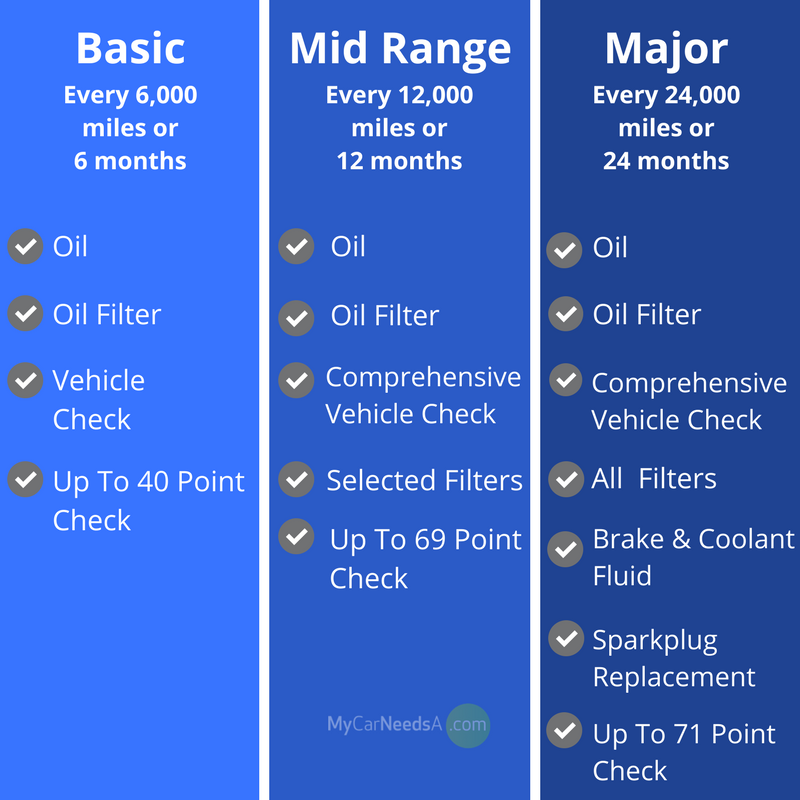
| Service Type | Typical Interval | Key Actions |
|---|---|---|
| Interim Service | Every 6 months / 5,000-10,000 miles | Oil and filter change, fluid top-ups, basic safety checks. |
| Full Service | Every 12 months / 10,000-20,000 miles | All interim service items plus comprehensive checks and replacements (air filter, spark plugs, etc.). |
| Major Service | Every 2-3 years / 20,000-40,000 miles | All full service items plus replacement of items like brake fluid, coolant, and potentially timing belts. |
Keeping Your Car Running Smoothly
The benefits of a full car service extend beyond immediate mechanical health. A well-maintained vehicle is more fuel-efficient, leading to savings on your fuel bills. It also contributes to a safer driving experience for you and other road users. Furthermore, a consistent service history can significantly boost your car’s resale value, as potential buyers see it as a sign of good ownership and care.
Regular checks on tyre wear and pressure ensure optimal grip and braking performance, directly impacting your vehicle’s safety, especially in adverse weather conditions.
Common Questions About Full Car Services
What is the difference between a basic and a full car service?
A basic service typically includes an oil and filter change, fluid top-ups, and essential safety checks. A full service encompasses all of this, plus a more in-depth inspection and replacement of other filters (like air and fuel filters), spark plugs, and a more thorough examination of various vehicle systems.
How long does a full car service usually take?
A full car service can take anywhere from 2 to 4 hours to complete, depending on the vehicle, the service center’s efficiency, and any additional issues found during the inspection.
Should I get a full service even if my car seems fine?
Yes, absolutely. Many potential problems are not immediately apparent during normal driving. A full service is designed to catch these issues early, preventing them from escalating into more serious and expensive repairs. It’s a proactive approach to vehicle maintenance.
Conclusion
In summary, a full car service is an indispensable part of owning a vehicle, offering a comprehensive suite of checks, maintenance, and replacements. It’s the best way to ensure your car remains reliable, safe, and efficient on the road. By investing in regular full services, you are not just maintaining your car; you are safeguarding your investment and peace of mind. This proactive approach helps prevent unexpected breakdowns and costly repairs, extending the lifespan of your vehicle. Don’t wait for a problem to arise; schedule your car’s next full service today and experience the difference.