



Navigating Travel Insurance with a Cancer Diagnosis: Your Comprehensive Guide
Planning a trip with a cancer diagnosis can bring a unique set of challenges, and one of the most significant is securing adequate travel insurance. Many individuals believe that a cancer diagnosis automatically disqualifies them from obtaining travel insurance, leading to anxiety and potentially canceling much-needed vacations. However, this is often a misconception. With the right approach and by understanding the nuances of the travel insurance market, it is absolutely possible to get travel insurance with cancer. This guide aims to demystify the process, offering insights and practical advice for travelers navigating this complex terrain.
Understanding the Landscape of Travel Insurance for Cancer Patients
The key to securing travel insurance when you have cancer lies in transparency and thorough research. Insurers assess risk, and a cancer diagnosis is a pre-existing medical condition. Each company, and indeed each policy, will have different criteria for assessing this risk. Age, type of cancer, stage, treatment plan, and time since last treatment are all factors that will influence eligibility and premium costs. It’s crucial to approach insurers who specialize in or are known to be more accommodating of pre-existing conditions.
The Importance of Declaring Your Condition
Failing to declare a pre-existing medical condition, such as cancer, to your travel insurance provider can have severe consequences. If you need to make a claim related to your cancer or its treatment while traveling, and you haven’t disclosed it, your insurance provider may deny your claim outright. This could leave you with substantial medical bills and financial distress. Therefore, honesty and full disclosure are paramount when applying for travel insurance with cancer.
Factors Influencing Insurability and Cost
Several factors will play a role in whether you can get travel insurance with cancer and how much it will cost. These include:
* **Type and Stage of Cancer:** Different types and stages of cancer carry varying levels of risk.
* **Treatment Status:** Whether you are currently undergoing treatment, in remission, or have completed treatment.
* **Time Since Diagnosis/Treatment:** Insurers often look favorably on individuals who have been in remission for a significant period.
* **Age and Overall Health:** Your general health and age are standard factors in any insurance assessment.
* **Destination:** The healthcare costs and risks associated with your chosen destination can also be a factor.
Did you know? Many specialized travel insurance providers exist specifically to cater to individuals with pre-existing medical conditions, including cancer. These companies often have a more nuanced understanding of medical risks and a greater willingness to offer coverage.
Strategies for Obtaining Travel Insurance with Cancer
Securing comprehensive coverage requires a proactive and informed approach. Here are some effective strategies:
1. **Shop Around and Compare:** Do not settle for the first quote you receive. Different insurers have different underwriting processes and risk appetites.
2. **Use Comparison Websites (with Caution):** While comparison websites can be a starting point, many do not cater to complex pre-existing conditions. Always double-check the terms and conditions directly with the insurer.
3. **Contact Insurers Directly:** Many specialist insurers prefer direct contact, allowing you to discuss your specific situation in detail.
4. **Be Prepared with Medical Information:** Have your doctor’s contact details, diagnosis, treatment history, and prognosis readily available.
5. **Consider Medical Screening:** Some insurers will require a medical screening, either online, over the phone, or by requesting a report from your GP.
Specialist Insurers: Your Best Bet
When looking for travel insurance with cancer, your most fruitful avenue will likely be with specialist travel insurance providers. These companies are equipped to handle complex medical histories and often offer policies that are specifically designed for travelers with pre-existing conditions. They understand that a cancer diagnosis doesn’t mean an end to travel dreams.
What to Look for in a Policy
Beyond just getting approved, it’s vital to ensure the policy you choose offers adequate protection. Key areas to scrutinize include:
* **Medical Emergencies:** Ensure comprehensive cover for emergency medical treatment, hospitalization, and repatriation if necessary.
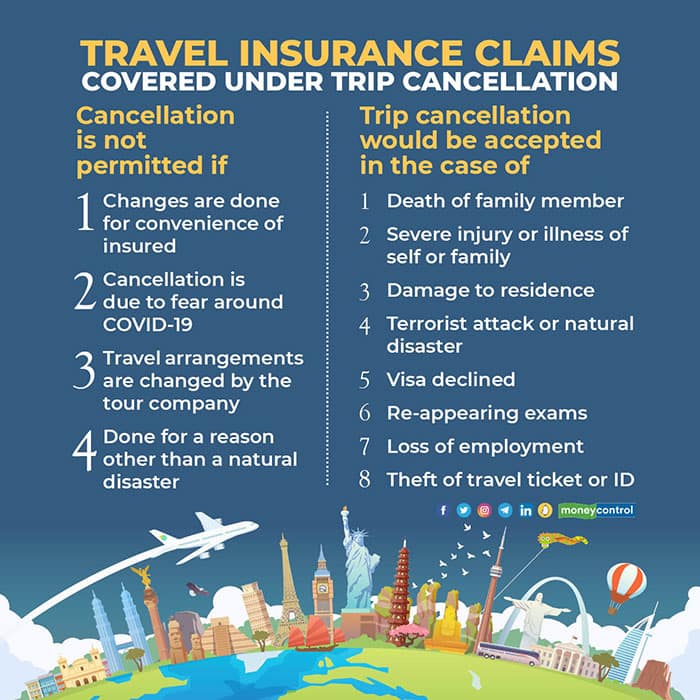
* **Cancellation and Curtailment:** Protect your financial investment if you have to cancel your trip before departure or cut it short due to your condition or a related complication.
* **Pre-existing Condition Clause:** Carefully read the specifics of how your cancer diagnosis is covered. Are there any exclusions or limitations?
* **Excess/Deductible:** Understand the amount you will have to pay out-of-pocket before the insurance kicks in.
Here’s a comparison of what different policy types *might* offer (always verify specifics):
| Feature | Basic Policy | Comprehensive Policy |
| :———————– | :—————————————– | :——————————————- |
| Medical Emergencies | Limited | Extensive, including repatriation |
| Cancellation | Minimal or none | Covers predefined reasons, including illness |
| Pre-existing Conditions | Often excluded | May cover if declared and accepted |
| Baggage Loss/Delay | Basic coverage | More robust coverage |
## Frequently Asked Questions (FAQ)
### Can I get travel insurance if I’m currently undergoing cancer treatment?
Yes, it is often possible, but it depends heavily on the insurer and the specifics of your treatment. Many specialist insurers can offer cover, though premiums may be higher, and certain treatments or complications might be excluded. Full disclosure is essential.
### Will my travel insurance cover cancer-related medication?
This varies significantly. Some policies may cover the cost of essential medication if prescribed by your doctor and if it’s part of an emergency medical treatment claim. However, routine medication supplies are often not covered unless specifically stated. Always check the policy wording.
### What happens if my cancer recurs after I’ve bought travel insurance?
If your cancer recurs after purchasing your policy, and you need to cancel or curtail your trip due to this, you may be covered, provided the recurrence is not an excluded event. It’s crucial to inform your insurer as soon as possible.
Planning Your Trip with Confidence
Navigating travel insurance with a cancer diagnosis requires diligence, but it is achievable. By understanding the market, being transparent with insurers, and comparing specialized policies, you can find coverage that provides peace of mind. Don’t let the fear of inadequate insurance prevent you from exploring the world or visiting loved ones. Empower yourself with knowledge and the right policy to make your travels safe and enjoyable. Remember, a well-chosen travel insurance policy is an investment in your well-being and the success of your trip.
Conclusion
Securing travel insurance with a cancer diagnosis is a manageable process with the right information and approach. Insurers evaluate risk based on various factors, and while it might present more challenges than insuring someone without pre-existing conditions, it is far from impossible. Prioritizing honesty by declaring your condition upfront is non-negotiable to ensure any potential claims are honored. Exploring specialist travel insurance providers who cater to pre-existing conditions often yields the most suitable and comprehensive policies. Carefully reviewing coverage for unforeseen medical emergencies, trip cancellations, and curtailments related to your health is essential. With thorough research and direct communication with insurers, you can find a policy that allows you to travel with greater confidence and security.