

“`html
What Can My Car Tow? A Comprehensive Guide to Towing Capacity by Registration
Understanding your car’s towing capacity is crucial for safe and legal transportation. Many vehicle owners are unaware that their car’s registration can hold valuable clues about what their vehicle is capable of towing. This guide will delve into how your car’s registration details, alongside other key factors, determine its towing capabilities, ensuring you can haul trailers, boats, or other loads with confidence and compliance.
The ability to tow is a significant advantage for many vehicle owners, offering versatility for hobbies, work, and travel. However, exceeding your car’s towing capacity can lead to dangerous driving conditions, vehicle damage, and potential legal repercussions. Fortunately, deciphering what your car can tow is more accessible than you might think, with information often embedded within the vehicle’s documentation and registration.
Decoding Towing Capacity: Beyond the Registration Sticker
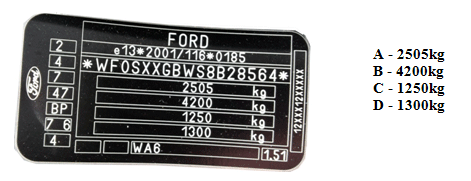
While your car’s registration might not explicitly state a towing capacity number, it serves as a gateway to identifying key specifications. Factors such as the vehicle’s make, model, year, and engine size, all present on your registration, are critical in determining its Gross Vehicle Weight Rating (GVWR) and Gross Combined Weight Rating (GCWR). These ratings are the foundation upon which towing capacity is built.
The GVWR is the maximum total weight of a fully loaded vehicle, including the vehicle itself, passengers, cargo, and tongue weight of a trailer. The GCWR is the maximum allowable weight of a fully loaded vehicle *plus* a loaded trailer. Your car’s actual towing capacity is derived by subtracting the vehicle’s curb weight from the GCWR.
Factors Influencing Towing Capacity
Several components and features of your vehicle directly impact its towing capacity. Recognizing these elements is key to a safe towing experience.
- Engine Size: Larger, more powerful engines generally offer higher towing capabilities.
- Chassis and Suspension: A robust chassis and heavy-duty suspension are designed to handle increased loads.
- Braking System: Effective brakes are paramount for controlling a towed load, especially when descending hills.
- Transmission: Some transmissions are better suited for towing than others, often with specific towing modes or stronger cooling systems.
- Towing Package: Vehicles equipped with optional towing packages often include enhanced cooling, stronger frame hitches, and improved braking systems.
Where to Find Your Car’s Towing Specifications
Beyond the information gleaned from your registration, several other reliable sources can provide precise towing capacity figures for your vehicle.
Owner’s Manual: The Definitive Source
Your vehicle’s owner’s manual is the most authoritative resource for towing information. It will typically contain a dedicated section on towing, outlining maximum towing weights, tongue weight recommendations, and advice on proper trailer setup. It’s a vital document for any vehicle owner, especially those who plan to tow.
The owner’s manual is your primary reference for understanding your car’s limitations and recommended towing practices.
Vehicle Identification Number (VIN) Decoder
Your VIN, also found on your registration, can be used with online VIN decoders. While primarily used for identifying vehicle features and history, some advanced decoders may provide details related to original factory specifications, which can indirectly help in estimating towing potential.
Manufacturer’s Website and Dealerships
Most car manufacturers provide detailed specifications on their official websites, often under a “Towing & Hauling” or “Specifications” section for each model. Additionally, your local dealership’s service or parts department can access this information for you.
Calculating Your Actual Towing Load
Once you know your car’s maximum towing capacity, you need to accurately assess the weight of your trailer and its contents. Never guess; always weigh your trailer if possible.
Weighing Your Trailer
Visit a local truck stop or a public scale to weigh your fully loaded trailer. This is the most accurate method to prevent overloading.
Trailer Tongue Weight
This is the downward force the trailer exerts on the hitch ball. It’s typically 10-15% of the trailer’s total weight and is crucial for maintaining stability. Ensure your vehicle’s hitch is rated to handle this tongue weight.
| Vehicle Type | Typical Towing Capacity Range (lbs) |
|---|---|
| Compact Car | 500 – 1,500 |
| Mid-size Sedan | 1,000 – 2,000 |
| SUV (Compact) | 1,500 – 3,500 |
| SUV (Full-size) | 5,000 – 8,500+ |
| Pickup Truck (Light Duty) | 5,000 – 12,000+ |
Always ensure the trailer’s weight does not exceed your car’s towing capacity, and that the tongue weight is properly distributed.
Safety Considerations When Towing
Towing safety extends beyond simply adhering to weight limits. Proper driving techniques and equipment checks are essential.
Hitch and Coupler Match
Ensure your hitch ball size and coupler on the trailer are perfectly matched to prevent accidental detachment.
A mismatched hitch and coupler are a serious safety hazard.
Brake Controllers
For trailers with their own braking systems, a trailer brake controller, installed in your car, synchronizes the trailer brakes with your vehicle’s brakes for more controlled stops.
Tire Pressure
Check both your vehicle’s and trailer’s tire pressure before each trip. Underinflated tires can overheat and lead to blowouts, especially under load.
Frequently Asked Questions About Towing Capacity
Q1: Does my car’s registration directly state its towing capacity?
No, your car’s registration typically does not directly state the towing capacity. However, it contains crucial information like the make, model, and year, which are essential for looking up your vehicle’s specific towing specifications in the owner’s manual or manufacturer data.
Q2: How can I find out the towing capacity of a car I just bought?
The best way to find out is to consult the owner’s manual. If you don’t have it, check the manufacturer’s website using the car’s VIN or contact a dealership. Information such as GVWR and GCWR is key.
Q3: What happens if I exceed my car’s towing capacity?
Exceeding your car’s towing capacity can lead to a range of problems, including compromised braking and steering, excessive strain on the engine and transmission, potential chassis damage, and increased risk of accidents. It can also void your vehicle’s warranty and result in legal penalties.
Conclusion
Understanding what your car can tow by registration is a process of using your vehicle’s identifying details to access its precise towing specifications. By consulting your owner’s manual, manufacturer resources, and always verifying the weight of your trailer, you can ensure safe and legal towing. Remember that towing capacity is not just about hauling power but also about the safety and longevity of your vehicle. Always prioritize safety, perform regular checks on your vehicle and trailer, and never exceed the recommended limits. This diligence will allow you to enjoy the benefits of towing with peace of mind.
“`