


What is Civil Construction Work? A Comprehensive Guide for WordPress
Civil construction work forms the backbone of our modern infrastructure, encompassing the design, construction, and maintenance of public and private works such as roads, bridges, canals, dams, airports, railways, and buildings. This field is critical for societal development, impacting everything from daily commutes to economic growth. Understanding the scope and importance of civil construction work is essential for anyone involved in urban planning, development, or simply curious about the world around them.
The Pillars of Civil Construction: Key Areas
Civil construction is a broad discipline, but it can be broken down into several key areas, each with its own set of challenges and specializations. These areas often overlap, requiring a multidisciplinary approach to successfully complete large-scale projects.
Infrastructure Development: Building the Nation
Infrastructure development is perhaps the most visible aspect of civil construction work. This includes the creation and upkeep of essential public facilities that support a community’s needs.
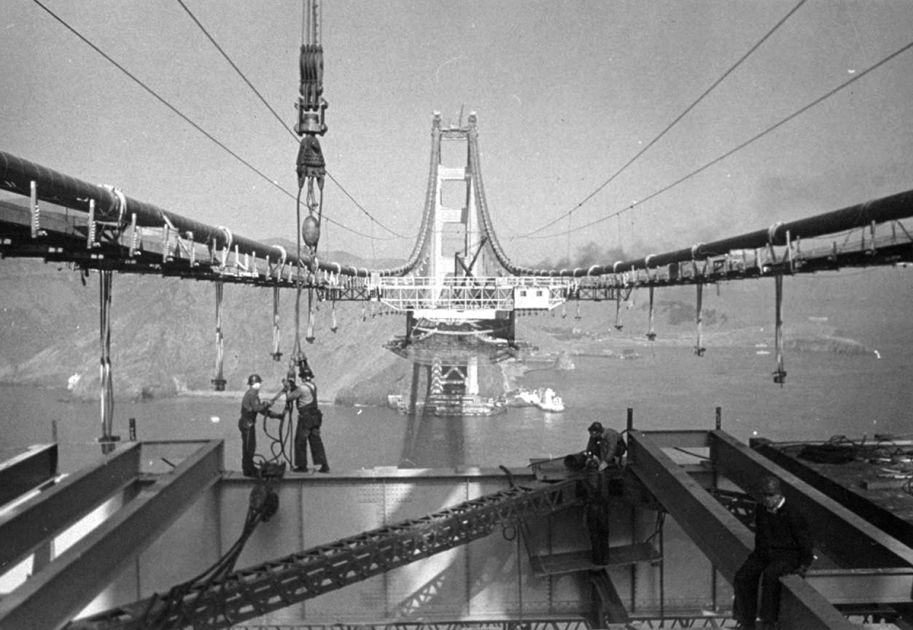
- Transportation Networks: Roads, highways, bridges, tunnels, railways, and airports are all products of civil construction, facilitating the movement of people and goods.
- Water and Wastewater Systems: The construction of dams, reservoirs, water treatment plants, and sewage systems is crucial for public health and resource management.
- Energy Infrastructure: Power plants, transmission lines, and pipelines fall under this category, ensuring the reliable supply of energy.
Building Construction: From Homes to High-Rises
While often considered a separate field, the construction of buildings is intrinsically linked to civil engineering principles. This includes everything from residential homes to massive commercial and industrial structures.
Residential Construction
This involves the building of houses, apartments, and other residential units. Considerations include foundation stability, structural integrity, and compliance with local building codes.
Commercial and Industrial Construction
This encompasses the construction of office buildings, shopping malls, factories, warehouses, and other non-residential structures, often requiring complex engineering solutions for larger spans and heavier loads.
The Process of Civil Construction Work
The journey from concept to completion in civil construction work is a complex, multi-stage process that demands meticulous planning, skilled execution, and rigorous oversight.
1. Planning and Design
This initial phase involves feasibility studies, site surveys, environmental impact assessments, and the creation of detailed architectural and engineering plans. The design must account for structural integrity, safety, functionality, and aesthetic considerations.
The success of any civil construction project hinges on the quality of its initial planning and design. Errors at this stage can lead to costly delays and safety hazards later on.
2. Permitting and Approvals
Before any physical work can begin, numerous permits and approvals must be obtained from various government agencies and regulatory bodies. This ensures that the project complies with all relevant zoning laws, building codes, and environmental regulations.
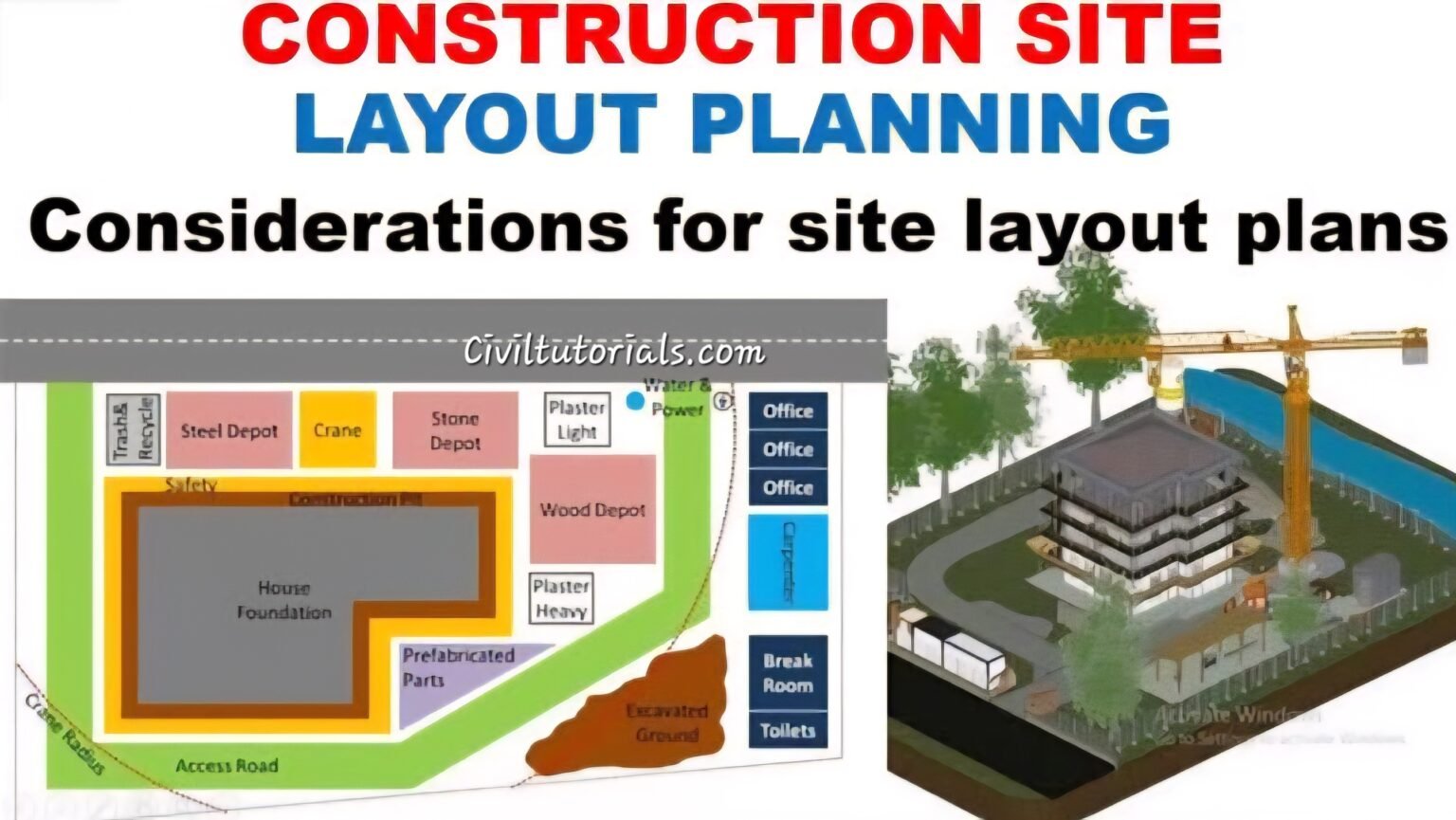
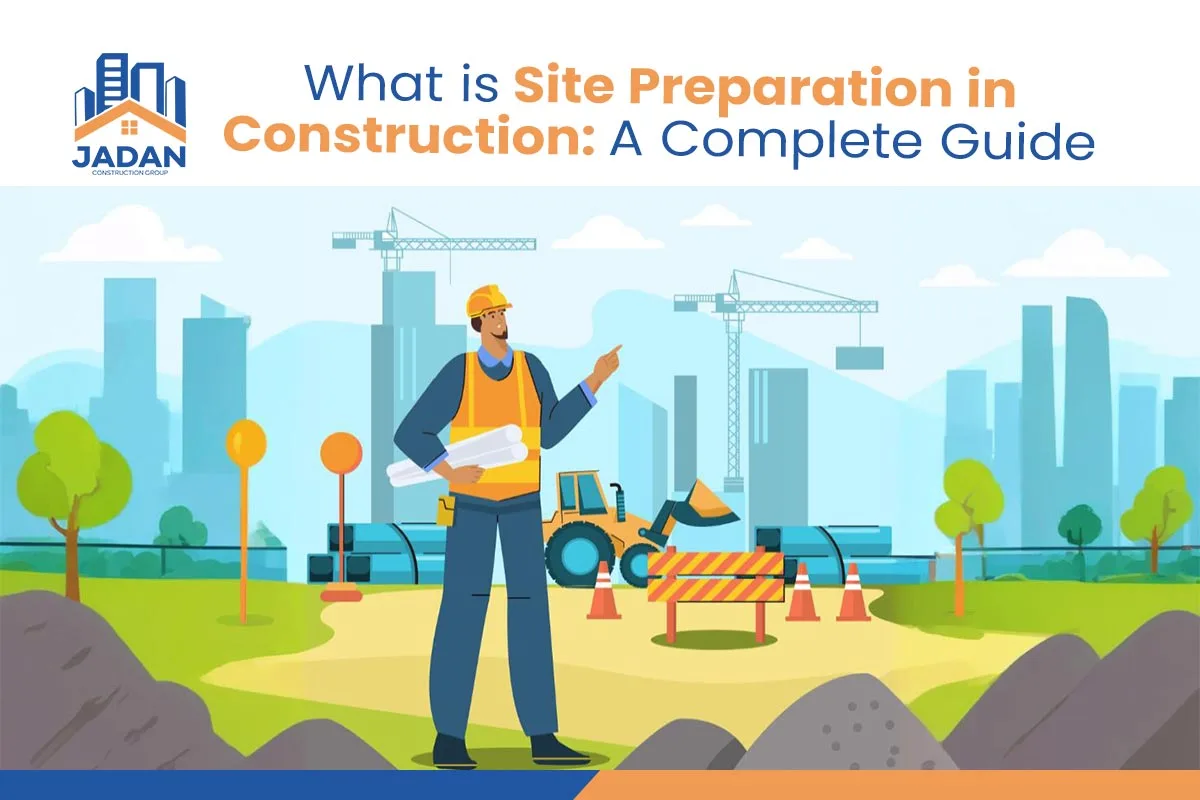
3. Site Preparation
This stage involves clearing the land, excavating, grading, and preparing the foundation for the structure. It may also include diverting existing utilities or managing soil conditions.
4. Construction
This is the core phase where the actual building takes place. It involves laying foundations, erecting the structural framework, installing utilities, and completing the interior and exterior finishes. Project management, quality control, and safety protocols are paramount during this phase.
5. Inspection and Handover
Once construction is complete, the project undergoes thorough inspections to ensure it meets all specified requirements and standards. After final approvals, the project is handed over to the client or owner.
Materials and Techniques in Civil Construction
Civil construction work relies on a variety of materials and techniques, constantly evolving with technological advancements. The choice of materials and methods significantly impacts a project’s durability, cost, and environmental footprint.
| Material/Technique | Description | Applications |
|---|---|---|
| Concrete | A composite material composed of fine and coarse aggregate bonded together with a binder, such as cement, that is a fluid of water, sand and cement. | Foundations, beams, columns, slabs, roads, dams |
| Steel | A strong, versatile metal alloy primarily composed of iron and carbon. | Structural frameworks, reinforcement for concrete, bridges, beams |
| Asphalt | A sticky, black, highly viscous liquid or semi-solid form of petroleum. | Road surfacing, roofing |
| Modular Construction | Building components are manufactured off-site in a factory setting and then transported to the construction site for assembly. | Residential buildings, temporary structures, commercial spaces |
Challenges in Civil Construction Work
Despite its critical role, civil construction work is fraught with challenges that require expert navigation.
Budgetary and Time Constraints
Projects often face pressure to stay within strict budgets and deadlines, which can be challenging due to unforeseen circumstances like material shortages or adverse weather conditions.
Frequently Asked Questions about Civil Construction Work
What is the difference between civil engineering and civil construction?
Civil engineering focuses on the design, planning, and analysis of infrastructure projects, while civil construction is the actual physical building and execution of those plans.
What are the most common types of civil construction projects?
Common projects include the construction of roads, bridges, buildings, dams, airports, and water systems.
What are the safety considerations in civil construction?
Safety is paramount and includes measures such as proper site planning, personal protective equipment (PPE) for workers, regular safety training, and adherence to strict safety protocols to prevent accidents and injuries.
Conclusion
Civil construction work is the engine that drives societal progress, transforming blueprints into tangible structures that serve our communities. From the roads we drive on to the buildings we inhabit, its impact is profound and far-reaching. The field demands a blend of technical expertise, meticulous planning, and skilled execution to overcome complex challenges and deliver projects safely and efficiently. As technology advances and sustainability becomes more critical, civil construction will continue to evolve, shaping a better, more connected future for all. Its importance cannot be overstated, as it lays the groundwork for economic development and improves the quality of life globally.