
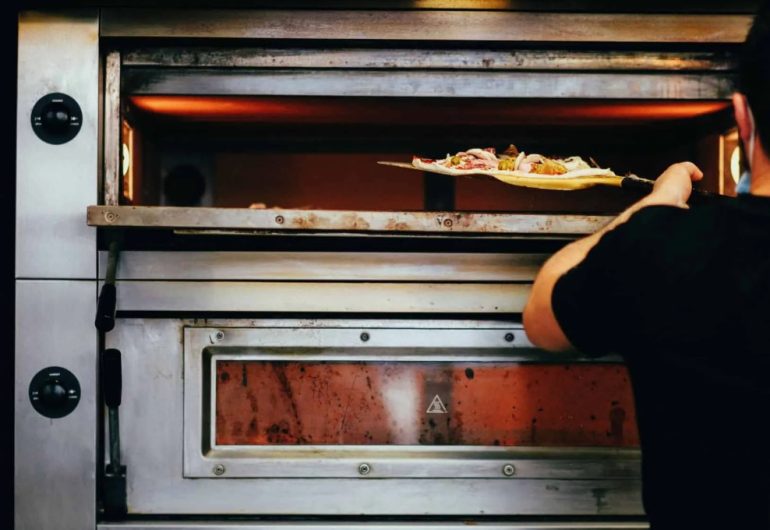
Keep Your Pizza Line Moving
A busy restaurant can lose dozens of orders in a single hour when the pizza station goes down, and guests rarely distinguish between a broken unit and poor service. When the rush is in full swing, every minute without heat turns into refunds, discounts and negative word of mouth. That is why smart owners treat Pizza Oven Repair as part of their overall risk management, not as a one‑time emergency reaction. Planned work on your equipment protects revenue, stabilizes the kitchen team and keeps delivery platforms from flagging your brand for delays.
Treat every hour of downtime as a clear numeric loss, not just a technical incident, and your maintenance priorities will adjust quickly.
Daily habits that prevent shutdowns
The fastest way to avoid emergency calls is to build small inspection rituals into every shift. Line cooks can wipe down doors, check gaskets for gaps, and note strange smells or noises while they work tickets. Managers can log temperatures at fixed times and compare them with the set point to catch drift before guests see underbaked pies. Simple routines cost a few minutes, yet they extend the life of decks, burners and conveyor systems considerably.
Shift checklist ideas
- Verify preheat times and record actual chamber temperature.
- Look for soot, crumbs and cheese buildup on stones and belts.
- Check that doors close tightly and handles move smoothly.
- Listen for new rattling, humming or popping sounds.
Make one person on each shift responsible for a quick visual check and you will spot half of potential failures days before they stop service.
Planned service over emergency calls
Restaurants that schedule professional attention a few times per year face fewer surprises on Friday nights. Technicians clean burners, calibrate thermostats, tighten electrical connections and test safety controls under real operating conditions. During a planned visit, they can also advise which spare parts to keep on hand, from extra stones to temperature probes, so a minor issue does not take a whole oven offline. This approach turns unplanned shutdowns into short pauses that the team can cover with a second line or adjusted menu.
When you choose a service company, look for partners that know high‑volume decks, conveyor tunnels and wood‑fired units, not just generic cooking equipment. A provider that offers 24/7 response, clear pricing and documented inspections becomes part of your operating system rather than an occasional rescue. In many cases, a long‑term contract with a reliable crew that focuses on Pizza Oven Repair will cost less over the year than a series of emergency visits from random vendors.
Training your team to react fast
Even the best cared‑for ovens sometimes fail during service, so a clear response plan keeps chaos under control. Staff should know where the breakers and gas shut‑off valves are, who calls the technician, and which menu items switch to backup equipment. A short laminated guide near the expo window can explain basic steps for gas, electric and wood‑fired models so the first reaction is calm and consistent. When everyone understands the sequence, you save precious minutes and avoid risky improvisation.
Having realistic expectations also helps morale. Your crew needs to know that a quick call for Pizza Oven Repair is not a sign they did something wrong but a normal part of running a high‑heat line. That mindset encourages early reporting of small issues such as uneven browning, slower bake times or occasional flameouts before they stack into a complete breakdown. Over time, this culture of transparency turns your cooks into an early‑warning system that supports both the kitchen and the service team.
Budgeting and simple metrics
To truly avoid costly downtime, owners should connect technical decisions with financial data. Track every incident when a pizza station slows down or stops, how many orders were delayed and how many were lost completely. Compare that figure with your yearly spend on Pizza Oven Repair and routine servicing to see whether you invest enough in prevention. Very often the math shows that an extra visit from a specialist or an earlier replacement of worn parts pays for itself in a single saved rush.
Once you have a few months of data, convert the results into easy metrics that managers can follow. For example, you can track average preheat time, number of complaints about undercooked pies per week and total minutes of unplanned outage per month. When these numbers move in the wrong direction, it becomes a clear signal to call in Pizza Oven Repair support before your next big promo or holiday weekend. This disciplined approach keeps ovens hot, guests loyal and kitchen staff confident in the tools they use every day.