
Smart Meter Basics: How to Tell If You Have One and What It Means
Are you curious about the technology in your home and how it impacts your utility consumption? Smart meters are increasingly common, replacing traditional analog meters. If you’re wondering “how do I know if I have a smart meter,” you’re in the right place. This article will guide you through identifying a smart meter and understanding its implications for your household. We’ll cover visual identification, common features, and the benefits of having this advanced metering technology installed.
Identifying a Smart Meter: What to Look For
The first step in determining if you have a smart meter is a visual inspection of your current meter. Traditional meters are typically analog, featuring a spinning dial that measures electricity or gas consumption. Smart meters, on the other hand, are digital and often have a more modern appearance.
Physical Characteristics of Smart Meters
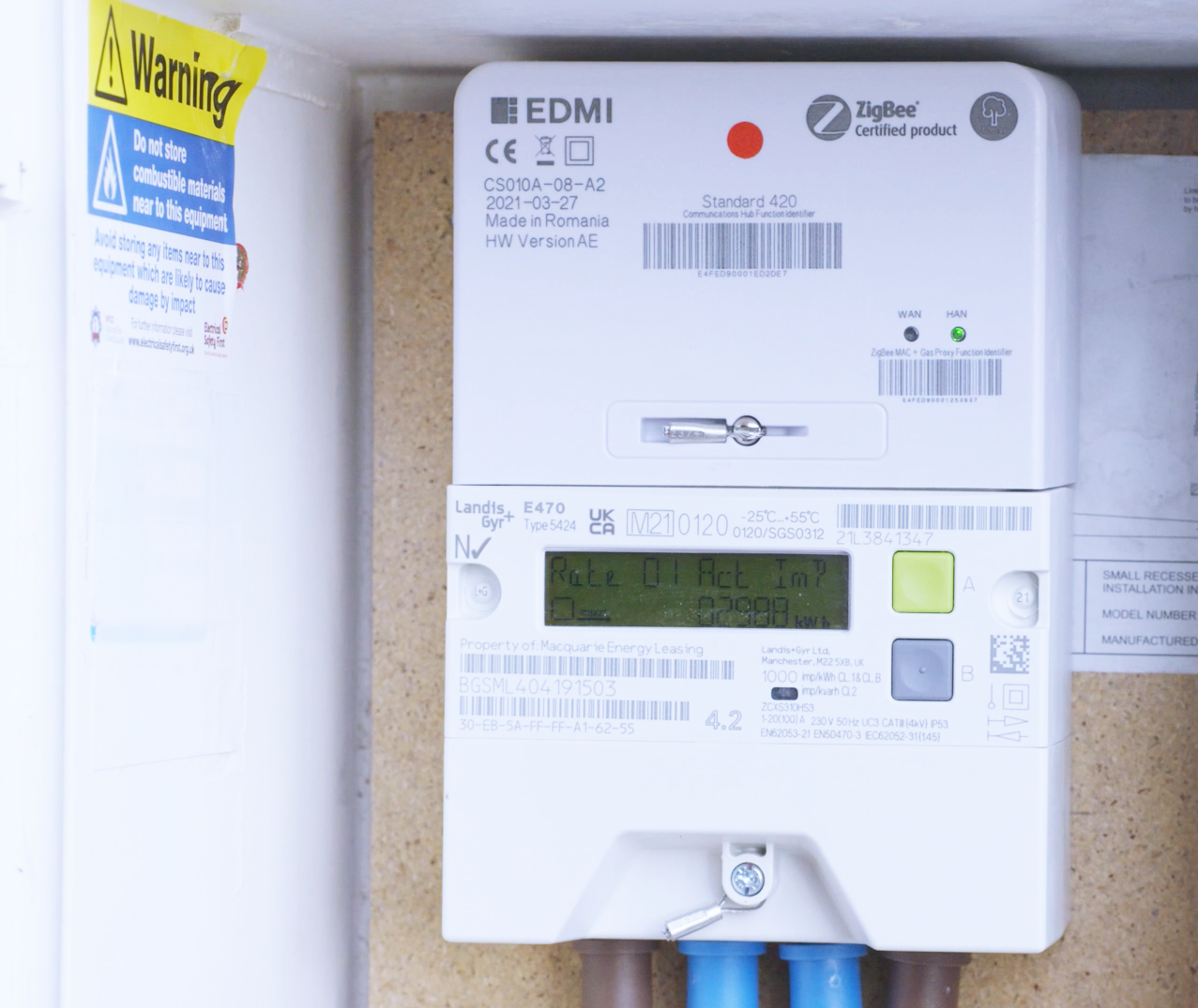
Smart meters usually have a digital display that shows numbers, rather than a mechanical spinning wheel. They may also feature indicator lights that blink to show activity. Some smart meters have an internal communication device, which might be visible as an antenna or a small box attached to the meter. The exact appearance can vary significantly depending on the utility provider and the type of meter (electricity, gas, or water).
- Digital display with numerical readouts.
- Indicator lights that show usage or communication status.
- May have an antenna or communication module.
- Often have a more compact and electronic design compared to older analog meters.
If you’re still unsure after a visual check, the best course of action is to contact your utility company directly. They can confirm the type of meter you have and provide details about its capabilities.
Understanding Smart Meter Functionality
Beyond identification, understanding what a smart meter does can help you recognize its presence and benefits. Unlike older meters that require manual readings, smart meters transmit data automatically and remotely.
How Smart Meters Work
Smart meters communicate usage data to the utility company wirelessly, typically on a daily or even hourly basis. This communication can happen through various networks, including radio frequency, cellular, or power line carrier technology. This constant stream of data allows for more accurate billing and faster outage detection.
Smart meters enable two-way communication between the utility and the consumer, facilitating a more dynamic energy management system.
This advanced functionality allows for features such as remote meter reading, outage notifications, and more detailed consumption analysis. Below is a comparison of traditional meters and smart meters:
| Feature | Traditional Meter | Smart Meter |
|---|---|---|
| Reading Method | Manual | Automatic/Remote |
| Data Transmission | None | Wireless (daily/hourly) |
| Billing Accuracy | Estimated potential for error | Highly accurate |
| Outage Detection | Delayed | Faster |
Benefits of Having a Smart Meter
The transition to smart meters brings numerous advantages for both consumers and utility providers. These benefits range from more precise billing to enhanced control over energy consumption.
Consumer Advantages
For homeowners, smart meters often lead to more accurate utility bills, eliminating the guesswork associated with estimated readings. The detailed data provided can empower you to track your energy usage patterns and identify opportunities for savings. Many smart meter programs also offer dynamic pricing options, where electricity costs vary based on the time of day, allowing you to shift usage to off-peak hours and reduce your overall expenses.
This detailed usage data can be a powerful tool for energy conservation.
Furthermore, smart meters aid in faster identification and resolution of power outages, meaning quicker restoration of service when disruptions occur. This can also lead to improved grid reliability and efficiency for the entire community.
Key benefits include:
- Accurate, no-estimate billing.
- Detailed insights into energy consumption.
- Potential for cost savings through time-of-use pricing.
- Faster outage detection and restoration.
- Support for smart home energy management devices.
Utility Provider Advantages
Utility companies benefit from smart meters through operational efficiencies. Automatic meter reading reduces the need for manual labor, saving time and resources. Remote diagnostics and outage management capabilities improve grid performance and customer service.
Frequently Asked Questions About Smart Meters
Q1: Will a smart meter increase my electricity bill?
No, a smart meter itself does not increase your electricity bill. Your bill is based on your actual consumption. Smart meters simply provide more accurate readings and can help you identify ways to reduce your usage and save money, especially if your utility offers time-of-use pricing.
Q2: Are smart meters safe?
Yes, smart meters are rigorously tested and regulated to ensure safety. They emit radio frequency (RF) at levels far below national and international safety guidelines, comparable to those from cell phones and other common wireless devices. Utility companies are required to comply with strict safety standards.
Q3: Can I opt-out of having a smart meter?
Opt-out policies vary by utility and region. Some utilities allow customers to opt-out, often for an additional fee to cover the cost of manual meter readings. It is best to contact your specific utility provider to inquire about their opt-out options and any associated charges.
Conclusion
In conclusion, identifying whether you have a smart meter involves a simple visual inspection of your utility meter for a digital display and the absence of a spinning analog dial. If you’re still uncertain, your utility provider is the definitive source of information. Smart meters offer significant advantages, including accurate billing, detailed energy usage insights, and the potential for cost savings through dynamic pricing programs. They also contribute to improved grid efficiency and faster outage response times for everyone. By understanding your meter, you can better manage your energy consumption and take full advantage of the benefits this technology provides for a more connected and informed home.