

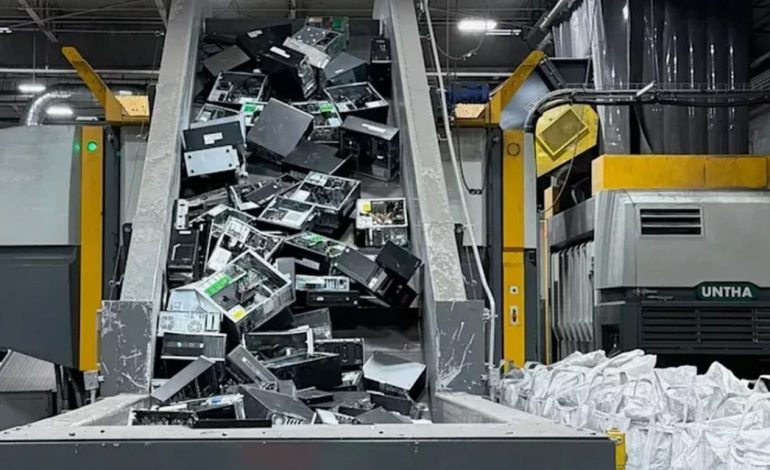
For many South African businesses, old laptops, broken printers, retired servers, and outdated point-of-sale devices often sit in storerooms for months or even years. They feel too valuable to throw away, too risky to discard casually, and too inconvenient to deal with immediately. But that delay can create a serious compliance problem. Electronic waste is not just clutter. It can expose a company to legal, environmental, data security, and reputational risks that grow over time.
That is why e waste recycling has become far more than a sustainability talking point. It is now a practical business function tied to regulatory responsibility, information governance, and operational discipline. For organisations that want to stay compliant while improving their environmental performance, the smartest move is to treat end-of-life electronics as a managed asset stream rather than an afterthought.
In South Africa, companies are under increasing pressure to demonstrate responsible waste handling, stronger ESG performance, and proper treatment of materials that may contain hazardous substances. In that context, working with an experienced specialist such as South Group Recycling can help turn a difficult obligation into a structured, value-focused process.
Why e-waste is a compliance issue, not just a waste issue
When people think of compliance, they usually think of tax filings, labour regulations, or financial reporting. Yet waste management compliance is just as important, especially when electronics are involved. Computers, batteries, monitors, cables, and telecom equipment may contain substances that should not end up in general waste streams or landfill environments.
Electronic waste also introduces another risk that ordinary office waste does not: data exposure. Even equipment that appears unusable may still contain recoverable business information, customer records, internal documents, account credentials, or intellectual property. If devices leave a site without secure processing, the result can be far more damaging than a missed recycling target.
For this reason, compliant electronic waste recycling (e waste recycling) supports several business goals at once:
- Proper disposal of hazardous or regulated material
- Reduced risk of data leaks from retired devices
- Alignment with environmental management obligations
- Support for ESG and sustainability reporting
- Improved audit readiness and internal controls
In short, businesses that ignore old electronics are not avoiding a problem. They are storing one.
Key compliance pressures facing South African businesses
South Africa has continued to strengthen its environmental framework, and businesses are expected to manage waste responsibly under applicable laws and standards. While legal obligations vary by sector and waste type, the core principle is consistent: waste generators have a duty to ensure materials are handled safely and responsibly.
This matters for companies in finance, retail, healthcare, education, manufacturing, logistics, and government supply chains. Any organisation that buys, uses, and retires electronic equipment should be able to answer a few simple questions:
- Where do retired devices go?
- How is data destroyed or protected?
- Who handles collection, processing, and reporting?
- Can the company demonstrate a documented chain of custody?
- Is the disposal partner qualified and environmentally responsible?
If those answers are vague, compliance risk usually follows. Regulators, clients, auditors, and investors increasingly want proof, not assumptions. Even if a business has good intentions, informal disposal practices can undermine policy commitments and create exposure during audits or supplier reviews.
The hidden cost of doing nothing
One of the biggest mistakes businesses make is assuming that unused electronics are harmless as long as they remain on site. In reality, delayed disposal creates several operational problems. Equipment occupies valuable space, asset registers become inaccurate, and IT teams end up managing stock that no longer serves a purpose. More importantly, unmanaged electronic waste weakens governance.
There is also a financial angle. Globally, the world generates tens of millions of tonnes of electronic waste each year, yet only a fraction is formally collected and recycled. That means valuable metals and reusable materials are often lost. Companies that adopt a structured ewaste recovery program (ewaste recycling) are not only reducing risk; they are also participating in a circular economy that extracts value from materials already in circulation.
For South African businesses, this can support both cost control and sustainability targets. Instead of paying repeatedly for new materials while sending old ones to waste, organisations can contribute to a system that recovers copper, aluminium, precious metals, plastics, and other reusable components.
What compliant e-waste management should look like
A sound approach to e waste recycling should be systematic, documented, and secure. It is not enough to ask a general waste collector to remove obsolete devices. Electronics require specialist handling from collection through to final processing.
Businesses should look for a service model that includes:
1. Clear collection and logistics
Devices should be collected through a secure process with proper records. This helps businesses maintain control over where assets go and when they leave the premises.
2. Data destruction protocols
Before devices are dismantled or recycled, data-bearing equipment should go through secure destruction procedures. This is especially important for hard drives, servers, laptops, mobile devices, and backup hardware.
3. Material recovery expertise
Professional providers can separate and recover useful materials efficiently, reducing landfill dependence and improving environmental outcomes.
4. Documentation for audits and reporting
Certificates, collection records, and processing documentation can make internal compliance reporting much easier. They also help support external ESG disclosures and supplier due diligence requirements.
5. Regulatory and environmental alignment
Businesses should work with providers that understand applicable waste legislation and operate according to recognised environmental and quality standards.
This is where South Group Recycling stands out. With more than a decade of experience, operations across major South African cities, and a broader footprint across the African market, the company offers a practical solution for businesses that need more than simple disposal. Its focus on secure processing, material recovery, and compliant handling makes it a valuable partner for organisations that want to reduce risk while improving sustainability performance.
Why this matters for ESG, procurement, and brand reputation
Compliance today is closely tied to reputation. A business may meet its sales goals and operational targets, but if it cannot show responsible waste management practices, stakeholders may question its governance. This is particularly important for companies bidding for contracts, working with multinational clients, or publishing ESG reports.
Responsible ewaste recycling supports stronger environmental credentials, but it also signals maturity in business operations. It shows that the company understands lifecycle responsibility, protects sensitive information, and takes measurable action rather than relying on policy statements alone.
Procurement teams are also paying more attention to downstream waste practices. In many supply chains, environmental performance is no longer optional. It is part of supplier evaluation. Businesses that build a documented, credible electronic waste process place themselves in a stronger position when compliance questionnaires and vendor assessments arrive.
Practical first steps for businesses
If your organisation has not yet formalised its approach, the good news is that progress does not have to be complicated. Start with a simple internal review:
- Identify all categories of obsolete electronic equipment
- Check where unused devices are currently stored
- Review your data destruction process for retired assets
- Assign responsibility across IT, facilities, procurement, and compliance
- Select a qualified recycling partner with documented processes
From there, create a recurring schedule rather than waiting for storage rooms to overflow. A proactive approach is easier to manage, easier to document, and far safer than occasional clean-outs.
For South African businesses that want to strengthen compliance while demonstrating real environmental responsibility, now is the right time to act. The longer outdated electronics remain unmanaged, the greater the legal, operational, and reputational risk becomes. A structured recycling strategy is not just a sustainability win. It is part of responsible corporate governance, and it can deliver lasting value across the business.
Whether you are overseeing a single office or multiple sites, building a compliant electronic waste process with an experienced partner such as South Group Recycling can help you protect data, support regulatory alignment, recover value, and move closer to your ESG goals without adding unnecessary complexity.