
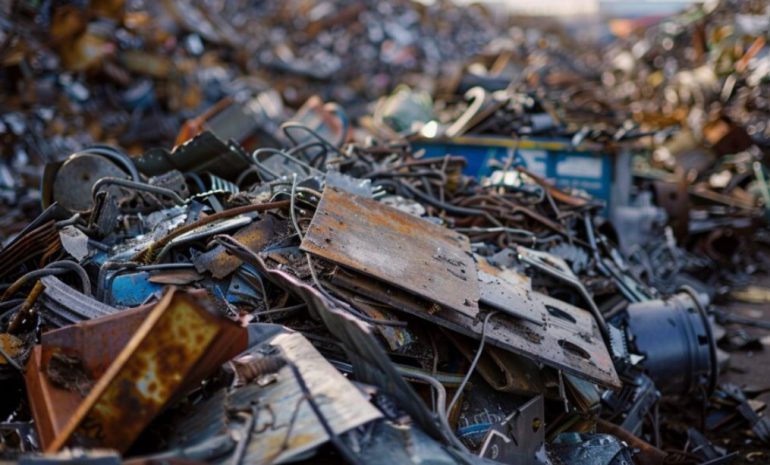
In 2026, scrap metal markets are no longer reacting only to local supply and demand. They are being shaped by a wider set of global forces: trade policy realignments, shipping disruptions, energy price volatility, green manufacturing targets, and the race to secure critical raw materials. For scrap yards, industrial sellers, recyclers, and exporters, this means one thing above all: pricing has become more dynamic, and understanding the bigger picture is now essential to protecting margins.
That shift creates both risk and opportunity. Sellers who rely on outdated pricing assumptions may miss strong selling windows, while those who monitor market signals and work with experienced buyers can often secure better returns and faster turnover. In the Baltics, this is especially relevant as regional businesses navigate European demand, global commodity swings, and increasing pressure for sustainable material recovery.
Companies such as Metalbee, a Latvia-based specialist in catalytic converter, PCB, and non-ferrous metal purchasing, are a good example of how modern recyclers are adapting. By combining technical expertise, transparent evaluation, and current market awareness, they help sellers respond more confidently to a market that is changing faster than ever.
Why Scrap Metal Prices Are More Volatile in 2026
Scrap metal has always been tied to industrial activity, but the market in 2026 is moving on multiple layers at once. Steel production, electric vehicle growth, data center expansion, infrastructure spending, and geopolitical trade decisions now interact in ways that can move prices quickly.
Several factors are driving this volatility:
- Trade route disruptions: Delays in major shipping corridors continue to affect freight costs and delivery times.
- Tariffs and export controls: Governments are using trade measures to protect domestic industries and secure strategic materials.
- Green transition demand: Copper, aluminium, nickel, and other non-ferrous metals remain essential for electrification and renewable energy infrastructure.
- Energy costs: Smelting, refining, and transport all depend on energy, so fuel and electricity prices still have a direct impact on scrap values.
- Supply tightening: Many regions are becoming more aggressive about keeping recyclable materials inside domestic or EU markets.
In practical terms, that means sellers can no longer assume that last quarter’s benchmark is still relevant today. A change in trade policy in one region can ripple through procurement behavior across Europe in a matter of days.
The Global Trade Shifts That Matter Most
1. Regionalization Is Replacing Pure Globalization
One of the biggest structural changes in 2026 is the move toward regional supply chains. Manufacturers want more resilience, shorter transport routes, and less exposure to geopolitical shocks. For scrap metal markets, this means locally available secondary raw materials are becoming more valuable.
European buyers, in particular, are placing greater strategic importance on recycled feedstock. This is good news for quality-focused scrap suppliers, but it also raises the bar for documentation, sorting, and valuation accuracy.
2. Non-Ferrous Metals Are Under Stronger Strategic Pressure
Copper, aluminium, brass, nickel, zinc, and lead are not just commodity metals anymore. They are increasingly viewed as strategic inputs for energy systems, electric mobility, construction, and telecommunications. As a result, price swings in non-ferrous categories can be sharper than many traditional sellers expect.
For anyone selling cables, alternators, starters, or aluminium rims, having access to up-to-date market insight matters. Monitoring non-ferrous metal price trends (krāsaino metālu cenas) can help businesses choose the right time to sell and avoid underpricing valuable material streams.
3. Quality Verification Has Become a Pricing Advantage
As buyers become more selective, well-assessed and properly classified scrap earns more trust. That trust can directly influence offers, especially for materials with variable composition. This is one reason laboratory-backed evaluation has become increasingly important across the recycling chain.
Metalbee stands out here because its approach is built around technical precision. Whether handling catalytic converters, printed circuit boards, or non-ferrous metals, the company emphasizes accurate assessment, current market knowledge, and reliable transaction processes. In a market where uncertainty can reduce confidence, that kind of professionalism makes a measurable difference.
What These Changes Mean for Scrap Sellers
If you generate scrap through industrial operations, vehicle dismantling, electrical work, telecom upgrades, or repair services, the market changes in 2026 should affect how you sell.
Here are four practical takeaways:
- Do not rely on rough estimates. Mixed or poorly sorted loads often leave money on the table.
- Track the market more frequently. Monthly reviews may not be enough during periods of trade disruption.
- Choose buyers with transparent processes. Clear evaluation methods reduce disputes and improve trust.
- Think in terms of recovery value, not just weight. Some materials contain far more worth than basic visual checks suggest.
This matters especially for businesses handling diverse non-ferrous materials. A load of copper-rich cables or a batch of automotive components may be worth considerably more when assessed by a buyer who understands both composition and current downstream demand.
How to Respond Strategically in 2026
The smartest sellers this year are not trying to predict every global event. Instead, they are building a practical selling strategy around timing, material knowledge, and strong local partnerships.
Improve Sorting and Identification
Separating copper, aluminium, brass, and mixed automotive materials can improve the quality of your offer. Better sorting allows buyers to assess value more precisely and often more competitively.
Work With Data-Driven Buyers
In volatile markets, speed matters, but accuracy matters just as much. A buyer with established databases, technical knowledge, and a modern evaluation process is better positioned to make fair offers based on real commodity conditions rather than guesswork.
Stay Alert to Short-Term Selling Windows
Trade shifts can create temporary regional imbalances. When export flows tighten or manufacturing demand spikes, local pricing may move quickly. Keeping an eye on scrap metal price signals in your market, including scrap metal prices (metāllūžņu cenas), can help you act before the window closes.
Why Sustainability Is Also Affecting Price
There is another important force behind 2026 pricing: sustainability. Recycled metals require significantly less energy than primary extraction in many categories. That makes scrap metal increasingly valuable to manufacturers trying to reduce emissions and meet ESG targets.
According to widely cited industry research, recycling aluminium can save up to 95% of the energy required to produce primary aluminium, while recycled copper and steel also offer major energy and carbon advantages. As reporting requirements tighten and buyers demand cleaner supply chains, high-quality recycled feedstock becomes more desirable.
This is where responsible companies gain an edge. Metalbee positions itself around environmentally conscious business practices, secure transactions, and strong quality standards. That is not just good branding; it aligns with what the market increasingly rewards. Sellers want fair value, but they also want confidence that their material is entering a professional and sustainable recycling stream.
The Opportunity for Baltic Sellers
For sellers in Latvia and the surrounding region, 2026 offers a real opportunity. As Europe places greater strategic emphasis on recycled resources, reliable local partners become more important. Businesses do not necessarily need a complicated global trading setup to benefit from global shifts. They need accurate valuations, responsive service, and a buyer who understands how international trends influence local pricing.
That is one reason industry-focused sellers are turning to specialists rather than treating scrap as an afterthought. Whether the material comes from auto scrap yards, service centers, communications infrastructure, or industrial cleanouts, expert handling can improve both efficiency and returns.
If your business is holding non-ferrous metal stock, waiting without a strategy may be more expensive than many realize. Markets move, trade policies shift, and material values can change quickly. A timely inquiry with an experienced buyer can help you understand where your material stands today and whether it makes sense to sell now, sort further, or plan future batches more strategically.
Final Thoughts
Global trade shifts are reshaping scrap metal prices in 2026 by making the market more regional, more strategic, and more dependent on accurate material evaluation. For sellers, the lesson is clear: pricing is no longer only about weight and spot trends. It is about understanding supply chain changes, recognizing the growing importance of non-ferrous materials, and working with buyers who combine market awareness with technical credibility.
For businesses and individuals in Latvia looking for a more informed, transparent way to sell non-ferrous scrap, Metalbee is a resource worth exploring. Its focus on fair assessments, efficient transactions, and sustainable recycling makes it well aligned with where the market is heading. If you want a clearer view of current opportunities and material value, the company’s non-ferrous metals page is a practical place to start.