
Timber Frame Construction: A Comprehensive Guide for WordPress Users
Timber frame construction is an age-old building technique that has seen a significant resurgence in popularity. This method utilizes large, exposed timbers to create a building’s structural frame, offering a unique blend of aesthetic appeal and robust engineering. For those looking to build with character and sustainability, understanding the intricacies of timber frame construction is essential, especially when considering its application in modern WordPress-influenced design aesthetics.
The Fundamentals of Timber Frame Construction
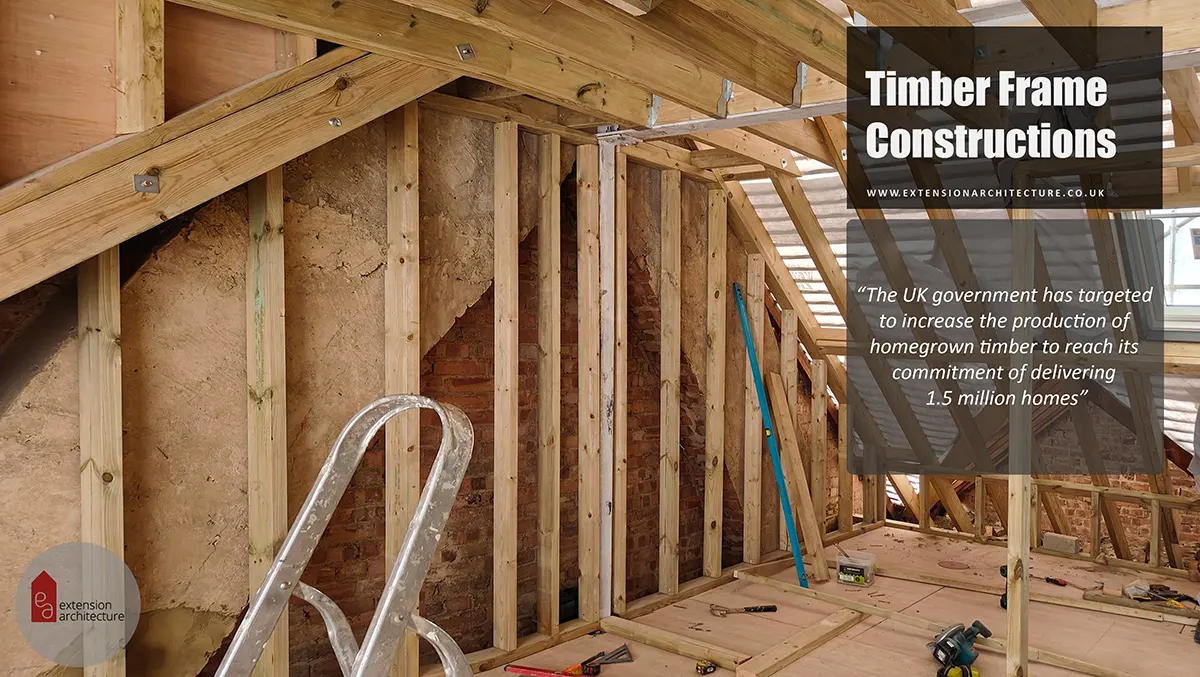
At its core, timber frame construction is a system where the structural integrity of a building relies on heavy timber posts and beams. These timbers are connected using traditional joinery techniques, creating a strong and durable skeleton. Unlike conventional stick-framing, where smaller lumber is used throughout, timber framing emphasizes the beauty and strength of large, often visibly exposed, wooden members.
Key Components and Joinery
The primary components of a timber frame are posts (vertical members) and beams (horizontal members). These are joined together with meticulously crafted joinery, such as mortise and tenon, dovetail, and scarf joints. These traditional methods eliminate the need for metal fasteners, contributing to the frame’s aesthetic appeal and long-term stability.
Fact: Traditional timber frame joinery can be incredibly strong, often outlasting the wood itself.
Modern timber framing often incorporates engineered timber products alongside traditional solid timbers, offering greater design flexibility and material efficiency. This hybrid approach allows for innovative architectural designs while maintaining the characteristic look and feel of timber construction.
Benefits of Timber Frame Construction
Choosing timber frame construction offers a multitude of advantages, from environmental sustainability to unique architectural possibilities. These benefits make it an attractive option for a wide range of projects, aligning well with the values of many WordPress website owners who appreciate craftsmanship and natural materials.
Environmental Advantages
Timber is a renewable resource, and timber frame construction often utilizes locally sourced wood, reducing transportation emissions. The construction process itself can be more environmentally friendly, with less waste generated compared to other building methods. Furthermore, timber sequesters carbon, meaning that the carbon absorbed by the tree during its life remains locked within the building’s structure.
- Renewable resource utilization
- Reduced construction waste
- Carbon sequestration
- Potential for energy efficiency
Aesthetic Appeal and Design Flexibility
The exposed timbers of a timber frame create a warm, natural, and visually stunning interior. This aesthetic is highly sought after and can be integrated into various architectural styles, from rustic cabins to modern minimalist homes. The open-span capabilities of timber framing also allow for greater design flexibility, enabling large, open-plan living spaces and unique roof structures.
| Feature | Description | Benefit |
|---|---|---|
| Exposed Timbers | Large wooden posts and beams are left visible. | Creates a warm, natural, and visually appealing interior. |
| Open Spans | Strong structural frame allows for large open areas. | Offers design flexibility and spacious living environments. |
| Joinery | Traditional mortise and tenon, dovetails, etc. | Aesthetically pleasing and strong, minimizing metal fasteners. |
Structural Integrity and Longevity
Timber frames are renowned for their exceptional strength and durability. When properly designed and constructed, they can withstand significant loads and last for centuries. The inherent stability of the timber frame contributes to a solid, well-built home that can be a legacy for future generations.
Timber Frame Construction in the Context of WordPress
For WordPress users and designers, timber frame construction offers a wealth of inspiration. The natural beauty and craftsmanship inherent in timber framing can be translated into digital design, influencing website aesthetics, user experience, and even content strategy. Think about how the warmth and solidity of timber can be evoked through color palettes, textures, and layouts on a website.
Translating Timber Aesthetics Online
The tactile and visual qualities of timber can be mirrored in web design through the use of wood textures, earthy color schemes, and organic shapes. This can create a welcoming and authentic online presence for businesses or individuals associated with natural building, craftsmanship, or sustainable living. It’s about creating a digital space that feels as grounded and inviting as a timber-framed home.
Tip: Use high-quality imagery of timber structures to enhance the visual appeal of your WordPress site.
Content Strategy for Timber Frame Businesses
If you’re a timber frame construction company with a WordPress website, your content strategy should highlight the unique selling points of your craft. This includes showcasing your projects through stunning photography and videography, explaining the benefits of timber framing, and sharing client testimonials. Educational content about the process, sustainability, and longevity of timber frames can also attract and engage potential clients.
Frequently Asked Questions about Timber Frame Construction
What is the difference between timber framing and post-and-beam construction?
While often used interchangeably, timber framing typically involves more intricate traditional joinery and exposed framework. Post-and-beam is a broader term that can include timber framing but also encompasses simpler connection methods, sometimes using metal fasteners, and may not always expose all structural elements.
Is timber frame construction more expensive than conventional framing?
Generally, timber frame construction can have a higher upfront cost due to the specialized labor, materials, and design involved. However, the long-term benefits, including durability, energy efficiency, and aesthetic value, can offer a significant return on investment, making it a cost-effective choice over the building’s lifespan.
How does timber frame construction perform in terms of energy efficiency?
Timber frame structures can be highly energy-efficient, especially when paired with modern insulation techniques and high-performance windows. The large timbers themselves have good thermal mass, and the ability to create continuous insulation around the frame minimizes thermal bridging, leading to lower heating and cooling costs.
Conclusion
Timber frame construction is more than just a building method; it’s a testament to craftsmanship, sustainability, and timeless design. Its inherent strength, natural beauty, and environmental benefits make it an outstanding choice for those seeking a unique and enduring structure. By embracing the principles of timber framing, builders and homeowners alike can create spaces that are not only beautiful and functional but also deeply connected to nature. For digital spaces, this connection can be translated through thoughtful WordPress design and content, creating an online presence that reflects the warmth and integrity of timber itself. The enduring appeal of timber frames ensures their place in both the physical and digital architectural landscape for years to come.